Accommodation & Tours
Choosing where to stay and which tours to book can make or break a travel experience. Beyond glossy marketing photos and enticing package descriptions lies a complex landscape of practical considerations: understanding what you’re actually paying for, recognizing the realities of different accommodation types, and distinguishing genuine value from clever positioning. Whether you’re planning a wildlife camping adventure, evaluating a luxury resort package, or considering a remote heritage stay, the decisions you make before departure directly impact your comfort, budget, and overall satisfaction.
This comprehensive resource examines the core considerations across the accommodation and tour spectrum. We’ll explore how different lodging types present unique challenges, decode the booking strategies that optimize both financial and logistical outcomes, scrutinize what “all-inclusive” truly means in practice, and provide frameworks for assessing sustainability claims. The goal is to equip you with the analytical tools to make confident, informed decisions that align with your travel priorities and expectations.
Understanding Accommodation Types for Different Travel Experiences
The accommodation you choose fundamentally shapes your travel experience, yet many travelers underestimate how dramatically different lodging types affect daily realities. Understanding these distinctions before booking prevents disappointment and helps align expectations with reality.
Wildlife and Nature-Based Camping
Camping in natural areas offers unparalleled wildlife access but demands thorough preparation. The romantic notion of waking to birdsong quickly fades when you discover food storage requirements in areas with determined wildlife. In popular destinations like Australia’s Tidal River or North America’s national parks, animals have learned to associate campsites with food, requiring bear canisters, elevated storage, or locked vehicle compartments.
Successful nature camping requires researching several practical factors:
- Booking systems and competition: Popular natural sites often release reservations months in advance, filling within minutes of availability
- Wildlife interaction protocols specific to the location
- Alternative viewing locations when primary sites are fully booked
- Seasonal timing that balances weather comfort with wildlife activity patterns
- Disease awareness in wild populations, such as mange in wombats or chronic wasting disease in deer
The technical challenges extend beyond simple tent setup. Low-light conditions for wildlife photography require specific equipment and techniques, while proximity to active wildlife populations means securing belongings and understanding animal behavior patterns. These aren’t obstacles to discourage camping, but realities that reward preparation.
Canvas and Glamping Accommodation
The glamping sector markets itself as “camping without the hassle,” but canvas accommodation introduces its own climate realities. Unlike traditional hotels, fabric walls provide minimal thermal regulation and noise isolation. Afternoon heat can transform a luxury tent into a greenhouse, while early morning cold penetrates thin barriers.
Before booking canvas accommodation, verify these practical elements:
- Quality of insect screening and closure mechanisms
- Bathroom privacy arrangements (attached facilities versus shared ablution blocks)
- Secure storage options for valuables
- Seasonal weather patterns at the specific location
- Noise considerations from neighboring accommodations or wildlife
The gulf between marketing imagery and on-ground experience is often widest in this category, where “luxury” descriptors may describe furnishings while overlooking fundamental comfort factors.
Remote Heritage Properties
Historic properties in isolated locations promise authentic experiences but require realistic expectations about infrastructure limitations. Extreme wind noise in century-old buildings, water restrictions in drought-prone regions, and challenging access roads are common realities that rarely feature prominently in booking descriptions.
Critical pre-booking questions include:
- Road conditions and vehicle requirements for safe access
- Communication infrastructure (mobile coverage, internet reliability)
- Distance to medical facilities and emergency protocols
- Water and power generation systems and any usage restrictions
- Heritage preservation expectations that may limit certain activities
These properties offer genuine cultural immersion, but that authenticity includes the constraints under which historic buildings operate. The traveler who thrives here embraces adaptation as part of the experience.
Mastering the Booking Process: Timing, Costs & Hidden Fees
The booking phase determines not just whether you secure accommodation, but fundamentally shapes the value proposition of your entire trip. Strategic timing and thorough cost analysis separate travelers who maximize value from those who pay premium prices for mediocre outcomes.
Timing the Booking Window
Booking timing follows a U-shaped curve: both very early and very late reservations often secure better rates than the middle period. Ultra-early bookings (six to twelve months ahead) access early-bird rates and full inventory selection. Conversely, last-minute bookings (within two weeks) may capture distressed inventory as properties reduce prices to fill rooms.
The dangerous middle ground—two to four months before travel—often sees peak pricing with limited availability. For high-demand properties or peak seasons, this window may offer no availability at any price. Understanding this pattern allows you to either commit early with confidence or wait strategically for last-minute opportunities, rather than booking in the expensive middle period out of vague anxiety.
Analyzing the True Cost Structure
Advertised accommodation rates rarely represent your actual expenditure. A thorough cost analysis examines multiple layers:
- Transfer costs: Airport or station shuttles may be included, charged separately, or unavailable entirely
- Meal inclusions and their actual value compared to local dining alternatives
- Single supplement fees that can add 50-100% to the base rate for solo travelers
- Resort fees, tourism taxes, or service charges added at checkout
- Cancellation policy costs and change fee structures
Think of this like comparing mobile phone plans: the headline monthly rate tells you almost nothing without understanding data limits, international charges, and contract terms. Similarly, a $200 per night rate with included meals, transfers, and flexible cancellation may offer superior value to a $150 rate that excludes everything and charges 100% cancellation fees.
Strategic Upgrade Opportunities
Package upgrades often present better value than initially booking premium tiers. Properties use base packages to attract bookings, then offer upgrades at incremental costs lower than the price difference if booked separately. A room category upgrade costing $40 per night as an add-on might represent a $100 per night difference if booked independently.
The optimal approach involves booking a solid mid-tier option, then contacting the property directly several weeks before arrival to inquire about upgrade availability. This strategy provides a guaranteed acceptable baseline while leaving room to enhance the experience at favorable economics.
Evaluating All-Inclusive & Premium Packages
The term “all-inclusive” has become so diluted that it requires careful deconstruction. What one property includes as standard, another excludes and charges premium rates to access. Understanding these variations prevents the frustration of discovering unexpected charges for activities you assumed were included.
Deconstructing the All-Inclusive Promise
Genuine all-inclusive packages remove decision fatigue and budget uncertainty by bundling most elements into a single price. However, the scope of “most” varies dramatically. Premium alcohol, specialty dining, motorized water sports, spa services, and off-property excursions frequently carry surcharges even at ostensibly all-inclusive properties.
In Australian resort contexts particularly, all-inclusive marketing often means something closer to “most meals and some activities included,” with significant exclusions that only become apparent in fine print. Kids club hours may be limited to specific timeframes, requiring paid childcare outside those windows. Alcohol inclusions might cover house brands during specific hours, with premium labels and room service drinks charged separately.
The thorough evaluator creates a spreadsheet listing assumptions about what’s included, then systematically verifies each item in the detailed property information or by contacting the property directly. This tedious process prevents expensive surprises.
Assessing Premium Accommodation Value Propositions
High-end accommodation justifies premium pricing through several value dimensions that matter differently to different travelers:
- Location uniqueness: Access to environments unavailable through standard lodging
- Culinary standards that genuinely exceed local restaurant alternatives
- Exclusive access to sites, experiences, or time slots unavailable to general visitors
- Connectivity and work infrastructure for travelers balancing leisure with professional requirements
- Service levels that anticipate needs rather than merely responding to requests
The value equation becomes personal: a private wildlife guide accessing restricted conservation areas may justify extreme cost for one traveler while offering no incremental value to another who prefers independent exploration. Similarly, a property offering reliable high-speed internet and dedicated workspace delivers enormous value to the digital nomad but means nothing to the traveler seeking disconnection.
Premium accommodation earns its cost when it delivers something genuinely unavailable at lower price points. It fails when it simply offers standard services in more attractive packaging at luxury prices.
Preparing for Specialty Accommodation Realities
Certain accommodation types demand specific preparation beyond standard travel planning. Understanding these requirements before arrival transforms potential problems into managed expectations.
Climate and Environmental Considerations
Accommodations that prioritize environmental integration often sacrifice some climate control. Canvas tents, open-air structures, and heritage buildings with preservation restrictions may lack air conditioning, heating, or weatherproofing that modern travelers take for granted.
Seasonal timing becomes critical: a gloriously ventilated canvas lodge in temperate spring may be unbearable during summer heat or winter cold. Research typical weather patterns for your specific travel dates, not just general seasonal descriptions. A property marketed for year-round operation may be genuinely comfortable only during a narrow shoulder season window.
Infrastructure Limitations in Remote Locations
Remote properties operate under constraints that urban travelers rarely consider. Water restrictions in drought-prone or off-grid locations may limit shower duration or laundry services. Power generation from solar or generators may be restricted to certain hours. Communication infrastructure might be limited to satellite systems with weather-dependent reliability.
Medical emergencies present the most serious consideration: properties located hours from medical facilities require understanding evacuation procedures, available first aid capabilities, and whether your travel insurance covers remote rescue operations. This isn’t meant to discourage remote travel, but to ensure you’ve considered the implications for your specific health profile and comfort level with isolation.
Assessing Genuine Sustainability in Accommodation
Sustainability marketing has become ubiquitous in the accommodation sector, but genuine environmental stewardship differs dramatically from greenwashing. Distinguishing authentic commitment from superficial marketing requires examining specific operational practices.
Evaluating Core Sustainability Elements
Meaningful sustainability assessment examines several concrete dimensions:
- Energy sources: Renewable power generation versus grid connection to fossil fuel systems
- Water waste management: Greywater recycling, rainwater harvesting, and consumption reduction systems
- Construction materials: Locally sourced, renewable materials versus imported or high-embodied-energy options
- Local employment practices: Percentage of staff from surrounding communities and management-level local representation
- Direct conservation program participation: Financial contributions or active involvement in habitat restoration or species protection
Properties genuinely committed to sustainability typically provide detailed information about these practices proactively. Those focused primarily on marketing sustainability often feature vague statements about “environmental respect” without specific, verifiable practices.
Participation Opportunities
The most authentic sustainability programs invite guests into active participation rather than passive consumption. Opportunities to join habitat restoration activities, wildlife monitoring, or community development projects indicate genuine commitment extending beyond operational efficiency into conservation mission.
Ask specific questions: What percentage of energy comes from renewable sources? Where does greywater go? What conservation organizations receive support, and how much? Properties with substantive programs answer readily and specifically. Those engaged primarily in sustainability marketing often respond with vague platitudes about environmental values.
This analytical approach doesn’t demand perfection—few properties achieve zero environmental impact—but distinguishes earnest progress from superficial positioning. Supporting accommodations making genuine efforts, even if imperfect, encourages industry-wide improvement more effectively than rewarding mere marketing sophistication.
The decisions you make about accommodation and tours shape every aspect of your travel experience. By understanding the practical realities of different lodging types, mastering strategic booking approaches, critically evaluating all-inclusive and premium offerings, preparing for specialty accommodation challenges, and assessing genuine sustainability, you transform yourself from passive consumer into informed decision-maker. This foundation empowers you to choose confidently, set realistic expectations, and ultimately craft travel experiences aligned with your priorities and values.
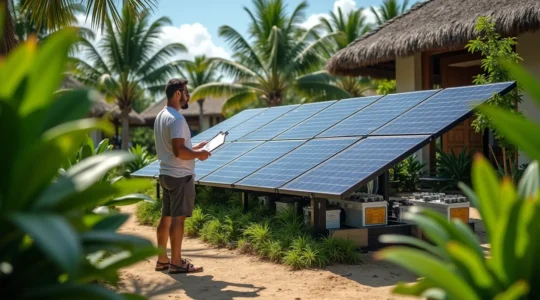
Greenwashing Alert: How to Verify a Resort’s Eco-Credentials
Most “eco-certifications” are marketing fluff; true sustainability is found in operational proof, not logos. Scrutinize core utilities like energy and water systems for verifiable metrics. Assess social impact through local employment data and supply chain choices. Recommendation: Adopt an auditor’s…
Read more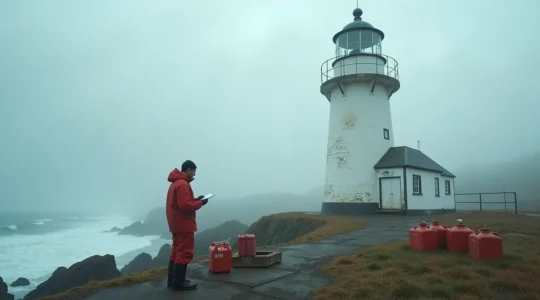
Lighthouse Living: The Ultimate Survival Guide to Managing Your Week of Isolation
In summary: A lighthouse stay is a logistical challenge, not a hotel visit. Success requires a survivalist mindset focused on resource management. Water is your most critical finite resource. Understand the lighthouse’s collection system (often rainwater cisterns) and use water…
Read more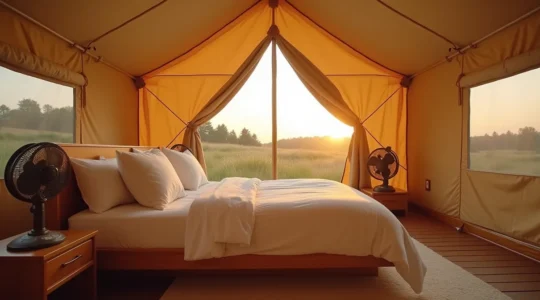
Glamping in Summer: How to Sleep Cool Without AC?
The key to a cool glamping experience isn’t fighting heat, but engineering your environment by mastering basic thermodynamic principles. Heat management in a canvas tent relies on a three-pronged strategy: maximizing convective cooling (airflow), utilizing conductive cooling (direct contact), and…
Read more
What ‘All-Inclusive’ Actually Excludes in Australian Packages?
The term ‘all-inclusive’ in Australia is a structural misnomer for international visitors, referring to a limited package, not unlimited consumption. Unlike Caribbean resorts, Australian packages are constrained by strict wage laws, alcohol service regulations, and regional monopolies that make true…
Read more
Are Australian Luxury Lodges Worth the $2,000 Nightly Rate?
The exorbitant price of an Australian luxury lodge is not for the amenities you see; it is an investment in the logistical mastery you don’t. The value lies in verifiable operational advantages—such as guaranteed access to national parks before the…
Read more
Package Deals vs DIY Booking: Which Saves More for Families?
The advertised price of your family holiday is misleading; the true cost is buried in the details. Package deals offer powerful consumer protection and bulk-rate savings, but often hide costs in low-quality inclusions like poor room types or excluded transfers….
Read more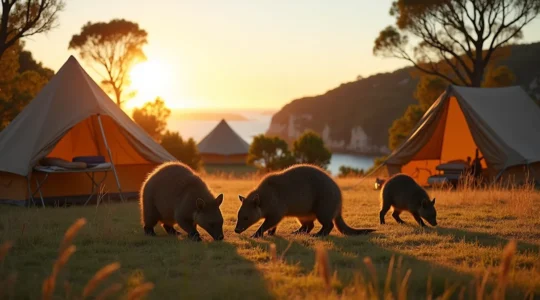
Wilsons Prom Wombat Camping: An Insider’s Guide to Securing a Spot
Securing a campsite near wombats at Wilsons Prom is less about luck and more about a dedicated strategy for managing their behaviour. Success depends on navigating the competitive ballot system and having solid backup plans. True wombat-proofing goes beyond just…
Read more