Activities & Experiences
Choosing the right activities can transform a trip from ordinary to unforgettable. Yet the difference between a truly rewarding experience and a disappointing one often comes down to preparation, timing, and understanding what’s really involved. Whether you’re considering a snorkeling expedition, an iconic climb, or a wildlife conservation visit, the decisions you make before departure directly impact both your safety and satisfaction.
Travel experiences today span an extraordinary range—from adrenaline-fueled extreme sports to contemplative wildlife encounters, from tropical hikes through challenging terrain to cultural immersions in wine regions. This diversity brings opportunity, but also complexity. Each activity type carries its own logistics, physical demands, safety considerations, and optimal timing windows. Understanding these fundamentals empowers you to select experiences that genuinely match your capabilities and interests, rather than simply following popular trends.
Planning High-Impact Travel Experiences
The most memorable activities share a common trait: they justify the effort, expense, and distance required to reach them. Not every destination offers experiences you can’t replicate closer to home, which makes the selection process crucial.
Choosing Activities Worth the Journey
Evaluate potential experiences against three core criteria. First, uniqueness—can you encounter this ecosystem, cultural practice, or natural phenomenon elsewhere? Swimming with manta rays during their migration season or witnessing endangered species in their natural habitat represents genuine geographical specificity. Second, access quality—does this location offer superior conditions, infrastructure, or expertise compared to alternatives? A famous surf break might have reputation, but uncrowded alternatives sometimes deliver better actual surfing. Third, personal alignment—does this activity genuinely excite you, or are you pursuing it because of social media influence?
Consider the concept of “experience density.” A destination offering multiple complementary activities—reef snorkeling, coastal hiking, and marine wildlife encounters, for instance—provides better value than traveling equivalent distance for a single attraction. This clustering approach maximizes the return on your travel investment while building in backup options if weather or other factors disrupt specific plans.
Booking and Timing Considerations
Popular experiences face a fundamental paradox: their reputation creates demand that can diminish the very qualities that made them special. Booking windows vary dramatically by activity type. Wildlife encounters tied to migration patterns or breeding seasons often require reservations several months ahead, as participant numbers may be deliberately limited to minimize environmental impact. Iconic climbs and adventure activities with safety equipment requirements similarly operate at fixed capacity.
Timing extends beyond simply securing a slot. Marine activity visibility peaks during specific hours—early morning often brings calmer waters and better light penetration for snorkeling, while afternoon winds can create ideal surf conditions. Harvest season visits transform wine tourism from a tasting exercise into an educational immersion, but these windows span only weeks. Research the “shoulder seasons” for your chosen activities—periods just before or after peak tourist influx when weather remains favorable but crowds thin considerably.
Assessing Physical Requirements
Marketing materials rarely convey the actual physical demands of strenuous activities. A tropical hike described as “moderate” might involve steep elevation gain, challenging footing, and hours of exposure to high humidity—factors that compound to create genuine difficulty even for regularly active individuals.
Honest self-assessment prevents both disappointment and genuine safety risks. Consider these dimensions:
- Cardiovascular fitness—sustained exertion over extended periods
- Strength requirements—carrying equipment, maintaining body position in water currents, or managing safety gear
- Technical skill prerequisites—comfort in deep water, ability to navigate without GPS signals, or understanding of activity-specific protocols
- Environmental tolerance—heat, humidity, cold water, altitude, or sea conditions
Many operators provide specific preparation recommendations. Taking these seriously—building relevant fitness in the weeks before departure—dramatically improves your actual experience quality compared to arriving unprepared and struggling throughout.
Safety and Risk Management in Adventure Travel
Adventure activities inherently involve controlled risk. The key word is “controlled”—distinguishing between acceptable, managed risk and unnecessary danger requires understanding both the activity itself and the operator’s approach to safety.
Evaluating Activity Safety Standards
Extreme sports and adventure activities exist in a regulatory landscape that varies enormously by location. Unlike commercial aviation with universal standards, adventure tourism operators may face minimal oversight or stringent certification requirements depending on jurisdiction.
Investigate operators through these lenses: equipment maintenance schedules and replacement policies, staff certification and experience levels, incident history and response protocols, and participant-to-guide ratios. Reputable operators transparently discuss risks rather than minimizing them, provide comprehensive safety briefings, and maintain appropriate insurance coverage. Cheapest pricing often correlates with cut corners—equipment age, staff experience, or group sizes that compromise supervision quality.
Review platforms reveal patterns, but read critically. A single negative incident may reflect bad luck, while patterns of similar complaints—aging equipment, rushed briefings, dismissive guides—indicate systemic issues. Look for operators who actively engage with feedback and demonstrate continuous improvement rather than defensive responses.
Understanding Environmental Hazards
Natural environments present hazards that urban-dwelling travelers may lack experience assessing. Shallow water marine creatures—stingrays, jellyfish, certain fish species—pose genuine risks, yet many snorkelers focus exclusively on sharks while remaining oblivious to more probable dangers. Tropical hiking brings leeches, heat exhaustion, and potential for disorientation when GPS signals fail under dense canopy.
Surf breaks over reef create specific injury patterns—reef cuts and abrasions that easily become infected in marine environments. Open water adventures introduce sea sickness risks that intensify with wave conditions, transforming an anticipated whale watching experience into hours of misery for unprepared participants.
Effective hazard management combines three elements:
- Education—learning to identify dangerous species, understand weather pattern warnings, and recognize early symptoms of heat stress or hypothermia
- Equipment—appropriate footwear, protective clothing, hydration systems, and navigation backup methods
- Behavioral protocols—maintaining safe distances, adhering to interaction rules with wildlife, and respecting local expertise even when it contradicts your assumptions
Balancing Documentation and Safety
The desire to capture experiences creates a modern hazard: distraction at critical moments. Attempting to photograph wildlife encounters while maintaining safe distance requires deliberate discipline. Managing camera equipment while navigating challenging terrain divides attention that should focus entirely on foot placement and route finding.
Establish clear priorities before beginning activities. Designate specific moments for documentation rather than constantly interrupting the experience. Many adventure activities offer brief, stable windows ideal for photos—after reaching a summit, during calm water intervals, or at designated viewpoints. Waterproof cases protect electronics from moisture in tropical environments and marine settings, but add bulk and handling complexity that can become liabilities in dynamic situations.
Consider whether professional documentation options exist. Many operators offer photo packages, allowing you to remain fully present during activities while still obtaining quality images. The resulting engagement depth often proves more valuable than mediocre photos you captured while partially distracted.
Water-Based Activities and Marine Encounters
Ocean and reef environments attract travelers seeking experiences impossible in terrestrial settings, but water-based activities demand specific preparation and awareness beyond general adventure travel considerations.
Snorkeling Essentials
Snorkeling accessibility—requiring minimal equipment and no certification—makes it extraordinarily popular, yet quality experiences vary dramatically based on site selection and equipment choices. The best snorkeling sites balance three factors: marine biodiversity, water clarity, and accessibility matched to skill level.
Beach-accessible reefs eliminate boat logistics and allow flexible timing, but often face higher environmental pressure and reduced fish populations compared to sites requiring water transport. Sites accessible to various skill levels enable shared family experiences, though truly spectacular snorkeling sometimes demands venturing to locations requiring strong swimming abilities and comfort in deeper water.
Equipment selection directly impacts visibility and comfort. Mask fit matters more than price—leaks create constant distraction and limit underwater time. Test fit by placing the mask against your face without the strap and inhaling gently through your nose; proper fit creates suction holding it in place. Snorkel purge valves help beginners clear water but add failure points; experienced snorkelers often prefer simple tube designs. Fins appropriate to your leg strength and swimming style dramatically reduce fatigue.
Time of day influences marine activity and visibility conditions. Many fish species feed actively during early morning hours, while afternoon light angles can reduce underwater visibility despite unchanged water clarity. Tide timing affects accessibility and current strength at certain sites.
Open Water Adventures
Moving beyond reefs into open ocean environments—whether for whale watching, diving with large marine animals, or accessing offshore sites—introduces additional complexity. Migration seasons create narrow windows when specific species concentrate in accessible locations. Humpback whales, manta rays, and other large marine animals follow predictable patterns, but timing errors of even a few weeks can mean encountering empty ocean rather than abundant wildlife.
Interaction rules exist to protect both animals and humans, though they vary by jurisdiction and species. Minimum distance requirements, prohibition on touching or chasing, and limits on time spent with individual animals reflect scientific understanding of stress impacts and behavioral disruption. Operators genuinely committed to conservation adhere to these standards even when they reduce photographic opportunities or shorten encounters.
Cost and accessibility trade-offs become pronounced in open water contexts. Premium experiences may justify higher pricing through smaller group sizes, better-maintained vessels, and more experienced guides. Sea sickness preparation deserves serious attention—medications work best when taken preventively rather than after symptoms begin, and natural alternatives like ginger require consistent use building up to the activity date.
Interacting Responsibly with Marine Life
Marine environments face unprecedented pressure from tourism, climate change, and other human impacts. Your participation in marine activities either contributes to degradation or supports conservation, with little middle ground.
Responsible interaction begins with understanding that you’re a visitor in a complex ecosystem. Touching coral damages protective mucus layers and can kill polyps that took decades to grow. Chasing fish for better photos creates stress that accumulates across thousands of daily tourist encounters. Sunscreen chemicals concentrate in popular snorkeling areas, contributing to coral bleaching even when individual applications seem negligible.
Choose reef-safe sunscreen formulations, maintain prescribed distances from marine animals, and control your buoyancy to avoid accidental contact with bottom structures. When snorkeling with children, ensure they understand these principles before entering the water—supervision requires vigilance since excitement can override instruction in the moment.
Land-Based Adventures and Challenges
Terrestrial adventures present their own distinct preparation requirements and reward travelers willing to understand environmental specifics rather than approaching all hiking or climbing generically.
Tropical Hiking Preparation
Tropical environments combine heat, humidity, challenging terrain, and specific hazards that together create difficulty disproportionate to trail distance or elevation profiles. Humidity affects hydration differently than dry heat—sweat evaporates slowly, reducing cooling efficiency while depleting fluid and electrolytes at accelerated rates.
Hydration management in high humidity requires drinking before thirst signals, as tropical conditions often suppress thirst sensation until dehydration becomes advanced. Electrolyte supplementation prevents hyponatremia—dangerous sodium depletion caused by replacing sweat losses with plain water alone. Carrying adequate water means calculating based on exertion level and heat index, often requiring 3-4 liters for moderate half-day hikes.
Leeches inhabit many tropical forests, particularly after rain. While not dangerous, they create significant psychological discomfort for unprepared hikers. Prevention centers on barrier methods—long pants with sealed cuffs, insect repellent on boots and lower legs, and regular body checks. Salt or flame removal methods often recommended actually increase bleeding; simply detaching them and continuing limits impact.
Electronics moisture protection extends beyond rain to ambient humidity that infiltrates devices over hours or days. Waterproof cases, silica gel packets, and allowing devices to acclimate to temperature changes before use all help prevent condensation damage. Navigation without GPS signal requires traditional map reading skills and awareness of natural orientation cues—stream flow directions, sun position, and distinctive terrain features.
Footwear choice balances competing needs: ankle support for uneven terrain, aggressive tread for mud and roots, drainage for stream crossings, and breathability for heat management. No single boot excels at all factors, making terrain-specific selection important. Light, fast-draining trail runners suit maintained trails with stream crossings, while stiffer boots provide stability on rough, steep terrain despite retaining water when wet.
Surf Culture and Etiquette
Famous surf breaks attract traveling surfers with skill levels ranging from competent to completely inadequate for the conditions. Unlike hiking where poor preparation primarily affects the individual, surfing occurs in shared space where dangerous behavior impacts everyone in the water.
Lineup hierarchy exists not as elitism but as safety mechanism. Wave priority systems prevent collisions between surfers—a paddling surfer cannot see someone dropping in above them, creating significant injury risk. Experienced locals maintain order in crowded lineups, and visitors who ignore protocol face not only social friction but genuine danger as organization breaks down.
Understanding your actual skill level versus the break’s requirements represents basic responsibility. Reef breaks demand different abilities than beach breaks—sharper consequences for falls, powerful currents, and bottom hazards that punish mistakes. Swell window timing determines whether a break fires or lies flat, and reading forecasts requires understanding how swell period, direction, and local bathymetry combine.
Uncrowded alternatives often provide better actual surfing for traveling intermediates than famous breaks packed with skilled locals. Research regional options thoroughly rather than fixating on name recognition. Parking and logistics at popular breaks can consume hours—arrive early or face circling for spaces and long walks carrying equipment.
Iconic Climbs and Physical Challenges
Certain climbs achieve iconic status—recognizable peaks or structures that draw participants regardless of mountaineering background. These experiences blend physical challenge, psychological barriers, and logistical complexity.
Physical exertion preparation should begin weeks before departure. Cardiovascular conditioning, leg strength, and if relevant, altitude acclimatization protocols all improve both safety margins and experience quality. Many iconic climbs operate with time constraints—summit windows, guide-imposed turnaround times, or daylight limitations that require maintaining specific pace throughout.
Safety harness systems vary in complexity. Some require only clipping into fixed lines and following guides, while others demand technical knowledge of belay devices and rope management. Understand exactly what skills the climb assumes versus what instruction occurs on-site. Regulatory requirements like breathalyzer tests before certain climbs reflect serious safety considerations, not arbitrary rules—altitude, exertion, and impairment create dangerous combinations.
Budgeting for iconic climbs extends beyond base costs to equipment rental, guide tips, photos, and potential auxiliary expenses like oxygen supplements or emergency descent insurance. Comparing climb times between operators sometimes reflects different route choices, group size impacts on pace, or varying acclimatization approaches rather than simple speed differences.
Specialized Experiences and Cultural Activities
Some of the most meaningful travel experiences emerge from activities that blend recreation with education, conservation support, or cultural immersion—expanding beyond pure adventure into deeper engagement.
Wildlife Conservation Tourism
Supporting endangered species recovery through tourism creates funding for conservation while providing public engagement that builds political will for protection measures. However, not all wildlife tourism truly supports conservation—some operations exploit animals while marketing themselves as educational.
Legitimate conservation tourism demonstrates transparent connections between visitor fees and actual conservation outcomes. Programs that allow participating in release initiatives, adoption support systems, or hands-on conservation work provide tangible understanding of challenges species face. Researching specific threats—like the facial tumor disease devastating Tasmanian devil populations—contextualizes why recovery efforts matter and what approaches show promise.
Timing visits for optimal animal activity requires understanding species behavior patterns. Many animals become more active during cooler parts of day or specific seasons. “Unzoo” concepts—prioritizing natural behavior over guaranteed viewing—represent philosophically different approaches than traditional zoo experiences, with trade-offs in convenience versus authenticity.
Wine Tourism Logistics
Wine region visits combine tasting with landscape appreciation and cultural education, but successful wine tourism requires navigating practical challenges around transport, purchase logistics, and timing.
Transport complications arise from the inherent conflict between alcohol consumption and driving. Designated driver rotations, hired drivers, or tour group participation each solve this differently with varying cost, flexibility, and experience quality implications. Choosing be
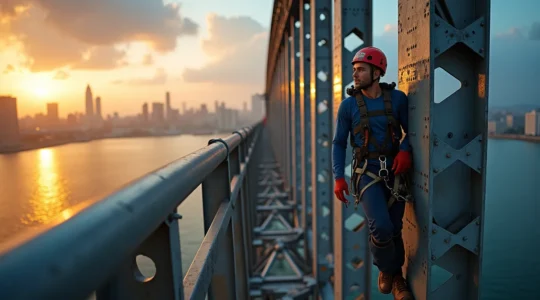
Sydney Bridge Climb: How to Handle Vertigo on the Summit?
Overcoming vertigo on the Bridge Climb isn’t about sheer bravery; it’s about understanding the psychology of fear and using the climb’s own design as your toolkit. Your physical state (no alcohol, proper fitness) directly impacts your brain’s ability to handle…
Read more
Shipping Wine Home: A Logistical Guide to Transporting Bottles Without Breakage
The success of transporting your wine investment isn’t about hope, it’s about a clear logistical strategy. Mastering packaging engineering and weight distribution in your checked luggage is your first line of defense against breakage. Understanding the total landed cost, including…
Read more
Surfing Gold Coast Reef Breaks: How to Handle Localism as a Visitor?
Successfully surfing the Gold Coast’s legendary breaks is less about wave-catching skill and more about understanding the complex social hierarchy of the lineup. Respect is demonstrated through specific actions like strategic positioning and yielding waves, not just generic friendliness. Safety…
Read more
Surviving a Multi-Day Rainforest Trek: What Gear Fails in High Humidity?
Forget ‘waterproof.’ In the jungle, the only winning strategy is a moisture management system; everything else will rot. Waterproof boots become buckets of stagnant water, guaranteeing trench foot. Satellite GPS is a fantasy under a triple-canopy forest; it’s a battery-draining…
Read more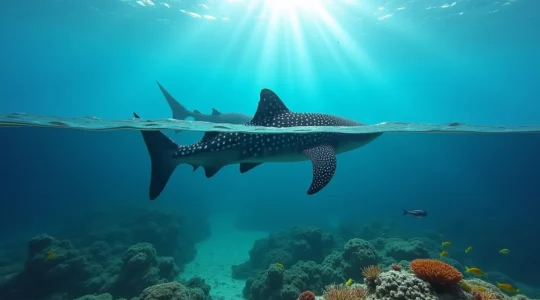
Whale Shark Encounters: Why Ningaloo Reef Outshines the Great Barrier Reef
For a truly world-class whale shark expedition, Ningaloo Reef offers a far more reliable and valuable encounter than the Great Barrier Reef due to superior logistics and a specialized focus on megafauna. Higher sighting success rates (over 95%) are virtually…
Read more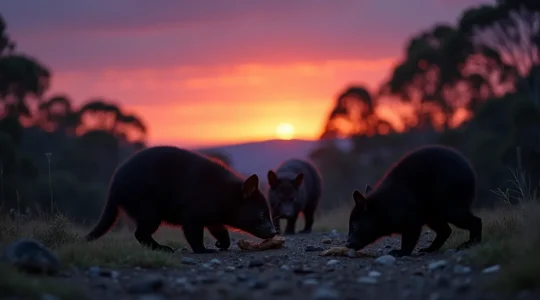
Which Tasmanian Sanctuary Offers the Best Devil Feeding Experience?
The most impactful Tasmanian devil feeding experience isn’t defined by the spectacle, but by the conservation purpose behind it. Sanctuaries act as critical ‘insurance populations’ to save the species from the Devil Facial Tumour Disease (DFTD). Your visit supports diverse…
Read more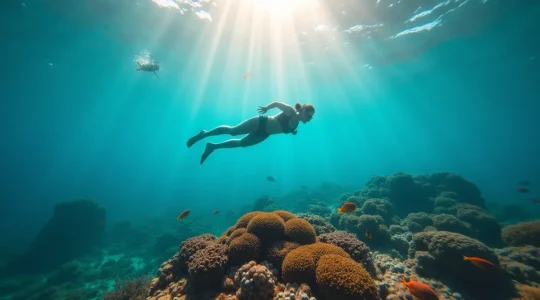
Where to Find Snorkeling Spots with 20+ Meter Visibility for Beginners?
Finding crystal-clear snorkeling spots is one thing, but truly enjoying them as a beginner requires mastering your confidence, not just choosing a famous location. Your mask is your window to the underwater world; a perfect, fog-free fit is non-negotiable to…
Read more
Top 10 Adrenaline Activities in Australia for Thrill-Seekers Under $200
In summary: Australia’s world-class safety standards, especially in skydiving, are a core feature, not a bug. Securing sought-after experiences like the Sydney Bridge Climb requires strategic booking, not just luck. Choosing the right location (like Cairns for bungee or Ningaloo…
Read more