Australian Destinations
Australia presents travelers with a paradox: it’s one of the most accessible developed nations in the Southern Hemisphere, yet its destinations demand a level of preparation unlike anywhere else. The continent’s sheer scale, combined with ecosystems that predate human civilization and climate zones that swing from Antarctic winds to equatorial humidity, means that visiting iconic locations requires more than just booking a flight. Understanding the unique characteristics of each destination—from the logistical challenges of remote island beaches to the cultural protocols of ancient Aboriginal sites—transforms a trip from merely seeing landmarks to genuinely experiencing them.
This comprehensive resource breaks down the practical realities of Australia’s most compelling destinations. Whether you’re navigating the high costs of urban hubs, preparing for extreme weather conditions, or accessing heritage sites with fragile ecosystems, the following sections provide the foundational knowledge needed to plan confidently. These insights draw from the specific challenges travelers consistently encounter: tidal patterns that dictate beach access, humidity that affects mental well-being, and budget strategies for cities ranked among the world’s most expensive.
Planning Remote and Pristine Natural Wonders
Australia’s most photographed natural attractions often exist in locations with minimal infrastructure, creating a fundamental tension between accessibility and preservation. These destinations require advance planning that goes well beyond typical tourist preparation.
Accessing Island Beaches With Limited Infrastructure
Remote island beaches, particularly those known for unique geological features like pure silica sand, typically offer no overnight accommodation, food services, or freshwater sources. The logistics of a day trip to these locations hinge on understanding tidal schedules, as certain beaches become inaccessible or lose their visual appeal during high tide. Tour packages vary dramatically in value—some bundle ferry transport, guided walks, and snorkeling equipment, while others charge separately for each component.
Packing for these environments means anticipating every need for 6-8 hours without facilities. Essential items include:
- Sun protection with high SPF (UV levels peak far higher than Northern Hemisphere equivalents)
- Collapsible water containers (minimum 3 liters per person)
- Reef-safe sunscreen (mandatory in marine park areas)
- Dry bags for electronics (sudden weather changes are common)
- All food and snacks (no waste disposal available, pack everything out)
Crowd management strategies focus on timing—arriving on the earliest ferry departure or scheduling visits during shoulder months when school holidays haven’t flooded booking systems. The trade-off between peak season guarantees (better weather, calmer seas) and off-peak advantages (lower costs, fewer people) defines much of the planning process.
Navigating Ancient Rainforest Ecosystems
The world’s oldest continuously surviving rainforest ecosystems present different challenges. These environments, where gondwanan flora has evolved in isolation for over 135 million years, require crossing river systems by cable ferry and identifying safe swimming locations where crocodile signage must be taken literally, not as tourist theater.
Wildlife spotting in these forests rewards patience and knowledge. The Boyd’s Forest Dragon, a prehistoric-looking reptile found nowhere else on Earth, requires scanning tree trunks at eye level rather than looking upward like conventional birdwatching. Local foods like Davidson plum and finger lime appear in cafés and tours, offering a tangible connection to Indigenous land management practices that maintained these forests for millennia.
The ecological age of these systems means fragility—staying on marked boardwalks isn’t mere suggestion but necessity, as root systems grow so slowly that off-trail foot traffic creates damage lasting decades. Ferry crossings operate on fixed schedules, and missing the last return service can mean an unplanned overnight stay in a town with limited accommodation.
Understanding Australia’s Extreme Climate Zones
Australia’s climate extremes aren’t just about comfort—they directly impact health, safety, and the viability of planned activities. The continent encompasses both tropical monsoon zones and temperate regions that experience sub-zero temperatures, sometimes within a single week of travel.
Surviving the Tropical Wet Season
Extreme humidity in northern destinations affects both physical and mental well-being in ways visitors from temperate climates consistently underestimate. The phenomenon locals call “Mango Madness” refers to the documented psychological strain of sustained 90%+ humidity combined with temperatures that never drop below 25°C (77°F), even at night.
Practical adaptation strategies include:
- Scheduling outdoor activities before 10 AM or after 4 PM
- Planning 2-3 hour midday breaks in air-conditioned spaces (libraries, museums, shopping centers)
- Adjusting hydration expectations—3-4 liters of water daily becomes baseline, not excessive
- Using antifungal powder preventatively on feet and skin folds
- Choosing accommodation with effective climate control, not just ceiling fans
Skin health deteriorates rapidly in these conditions without active management. Sweat doesn’t evaporate efficiently, creating constant moisture that leads to heat rash and fungal issues. Many experienced tropical travelers switch to loose linen clothing and abandon synthetic fabrics entirely, as the latter trap heat and moisture against the skin.
Embracing the Southern Winter Months
Southern Australian destinations during winter months offer exceptional value for travelers willing to pack appropriately and embrace indoor cultural offerings. Cities that price-gouge during summer beach season become remarkably affordable, while festival calendars concentrate events specifically to attract off-peak visitors.
The “Antarctic winds” referenced by locals aren’t hyperbole—weather systems traveling directly from the Southern Ocean bring wind-chill factors that make 10°C (50°F) feel far colder. Driving on icy mountain roads to reach ski resorts or highland attractions requires either winter driving experience or booking tours with professional drivers.
Indoor attractions become strategic planning anchors: world-class museums, galleries, and theater productions offer full-day experiences that complement rather than compete with outdoor activities. Booking accommodation early remains crucial despite lower overall demand, as budget options fill quickly with domestic travelers seeking weekend escapes.
Experiencing Aboriginal Heritage Responsibly
Aboriginal cultural sites represent the world’s oldest continuous artistic tradition, with rock art dating back over 40,000 years. Accessing these sites responsibly means understanding both the preservation challenges and the cultural protocols that govern visitation.
Protecting Sacred Rock Art Sites
The pigments used in ancient rock art—ochres, charcoal, and clay binders—remain vulnerable to irreversible damage from skin oils, humidity changes, and camera flashes. Sites like Ubirr implement controlled tourism access with designated viewing platforms that keep visitors at precise distances calculated to prevent breath moisture from affecting the artwork.
Dating these artworks involves multiple techniques, but many paintings overlay others, creating palimpsests that record thousands of years of cultural expression in a single rock shelter. The “Mimi” spirits depicted in characteristic elongated forms represent specific Dreamtime stories, and photographing certain images may violate cultural protocols—signage at individual sites provides guidance, but when in doubt, asking Aboriginal guides ensures respectful behavior.
Timing visits for accessibility means understanding both practical constraints (wet season road closures, extreme heat restrictions) and cultural ones (some sites close during ceremonial periods). Sunset access to major art sites offers spectacular lighting for the surrounding landscape but requires arriving several hours early during peak season to secure parking and platform space.
Supporting Authentic Indigenous Art Markets
The Indigenous art market includes both legitimate community enterprises and exploitative operations selling mass-produced fakes. Ethical sourcing verification involves checking for artist documentation, community art center affiliations, and certificates of authenticity that trace the work directly to the creator.
Legitimate galleries provide detailed artist biographies, explain the story depicted in each piece, and often facilitate direct communication with artists for commissioned work. Prices reflect the 40-60 hours many traditional paintings require, making genuine pieces significant investments rather than casual souvenirs. Regional hubs near significant Aboriginal communities offer the most direct purchasing opportunities, with proceeds supporting remote community infrastructure and cultural programs.
Mastering Urban Australia on a Budget
Australia’s major cities, particularly Sydney, consistently rank among the world’s most expensive destinations. However, strategic planning reveals numerous ways to experience iconic attractions without the inflated costs that trap unprepared visitors.
Free Iconic Experiences in Major Cities
The most photographed viewpoints of famous landmarks often exist in public parks and coastal walkways that charge no admission. Free cultural events—outdoor concerts, gallery openings, festival performances—concentrate during summer months but occur year-round for those monitoring city council event calendars and cultural institution websites.
Eating cheaply in expensive city centers requires avoiding tourist precincts entirely. Food courts in business districts offer lunch specials targeting office workers (substantial meals for $10-15), while ethnic neighborhoods provide authentic cuisines at a fraction of waterfront restaurant prices. Supermarkets with prepared food sections allow picnic-style dining in harbor-side parks with views identical to those from $50-per-entree restaurants.
Strategic Accommodation and Transport Choices
Choosing affordable accommodation locations means understanding public transport networks well enough to stay in outer suburbs with 25-35 minute commutes rather than paying triple for central locations. Sydney’s integrated transit system makes this viable—a day pass covers unlimited train, bus, and ferry travel, turning the commute itself into sightseeing.
Public transport efficiency varies dramatically by city, but most offer weekly or multi-day passes that cost less than two days of individual tickets. Learning the difference between peak and off-peak pricing, understanding zone systems, and downloading official transit apps prevents the constant confusion that leads travelers to waste money on taxis.
Accommodation booking timing matters more in Australia than many destinations—school holiday periods (four breaks annually, not just summer) see prices double and availability vanish. Booking 2-3 months ahead for non-holiday periods and 6+ months for peak seasons secures significantly better rates.
Using Regional Hubs for Outback Adventures
Remote Australian destinations require base towns that provide essential services, supplies, and safety infrastructure unavailable in the outback itself. Understanding how to use these hubs strategically transforms challenging logistics into manageable planning.
Essential Services and Supplies
Towns serving as strategic bases for outback exploration function as final resupply points before entering regions with 200+ kilometer stretches between services. Stocking up means more than just food and water—it includes backup fuel containers, comprehensive first aid supplies, and communication devices for areas without mobile coverage.
Desert parks near these hubs offer crucial wildlife insights that improve outback travel safety. Understanding which snakes are dangerously venomous versus harmless, recognizing heat stress symptoms in both humans and vehicles, and learning which plants indicate water sources all contribute to confident remote travel.
Finding safe and comfortable accommodation in these towns during peak season requires booking well in advance, as room inventory remains limited. Many facilities cater to working travelers (miners, medical staff) on long-term contracts, further reducing tourist availability. Budget options often mean caravan parks with basic cabins rather than traditional hotels.
Understanding Remote Australia’s Support Systems
The Royal Flying Doctor Service history museums in outback hubs aren’t just tourist attractions—they’re educational resources that explain the emergency medical infrastructure travelers depend on in remote areas. Understanding how the service operates, what triggers emergency responses, and how communication works in areas without mobile signals provides genuine peace of mind.
Local art markets in these towns offer some of Australia’s most authentic Indigenous art purchasing opportunities, as many remote art communities channel work through regional galleries. Prices often run lower than capital city galleries, and the cultural context—buying near where the work was created—adds meaningful connection to the purchase.
These regional hubs also concentrate tour operators offering guided outback experiences. For travelers uncomfortable with self-drive remote navigation, multi-day tours from these bases provide expert guidance while eliminating vehicle preparation and emergency communication concerns.
Australia’s destinations reward travelers who invest time in understanding the practical realities behind the iconic images. The logistical challenges—from tidal patterns to climate extremes, from cultural protocols to budget strategies—aren’t obstacles to overcome but integral parts of what makes each location unique. Approaching these destinations with thorough preparation transforms potential frustrations into opportunities for deeper engagement with landscapes, ecosystems, and cultures that exist nowhere else on Earth.
Adapting to 90% Humidity: How to Survive Darwin’s Build-Up?
In summary: Surviving Darwin’s oppressive ‘build-up’ humidity requires a physiological strategy, not just willpower. Prioritize mental acclimatization and strategic rest (the ‘siesta method’) over forcing a typical tourist schedule. Proper hydration means managing electrolytes, not just drinking water, and understanding…
Read more
Visiting Hobart in Winter: How to Enjoy the Cold Dark Mofo Season?
Hobart’s winter isn’t an obstacle to your cultural journey; it’s the main stage, where the cold and dark are essential ingredients for an unforgettable Dark Mofo experience. Strategic preparation is non-negotiable, from booking months in advance to mastering the art…
Read more
Why Are Certain Kakadu Rock Art Sites Closed to Tourists?
Your frustration at finding a rock art site closed is understandable, but these closures are not arbitrary. They are a critical part of a complex system of custodial management led by Traditional Owners. This system carefully balances the immense fragility…
Read more
Exploring the Daintree: Why You Need an Indigenous Guide for the Full Story
Visiting the Daintree Rainforest with an Indigenous guide isn’t about getting a better tour; it’s about gaining access to a completely different reality hidden in plain sight. The rainforest is not just a collection of plants and animals, but a…
Read more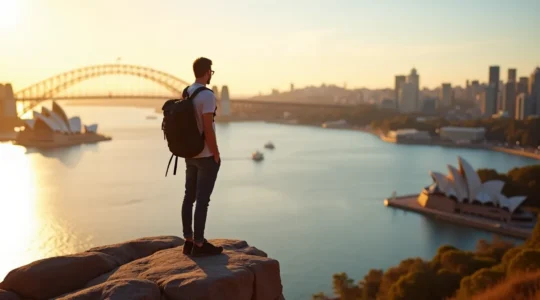
Sydney on a Budget: How to Spend Less Than $100 a Day in the CBD?
Think Sydney is too expensive for a budget trip? That’s the tourist trap. The secret to a sub-$100 day isn’t about sacrifice; it’s about gaming the system. This guide reveals how to leverage Sydney’s own transport caps, hidden food scenes,…
Read more
48 Hours in Alice Springs: What to Do Before Heading into the Desert?
In summary: Treat your Alice Springs stopover not as a holiday, but as a strategic mission to prepare for the Outback. Prioritise mission-critical prep: secure bulk water, the right fuel, and essential vehicle recovery gear from specific local shops. Engage…
Read more
Whitehaven Beach Day Trip: Is the $150 Seaplane Flight Really Worth It?
The $150 seaplane flight is a worthwhile investment, not for the flight itself, but for buying strategic access to a crowd-free beach and optimal tidal conditions that most boat tours cannot guarantee. The seaplane offers superior “time arbitrage,” landing during…
Read more