Culture & Heritage
Cultural heritage travel offers something fundamentally different from conventional tourism: the opportunity to witness living traditions, understand worldviews shaped over millennia, and connect with the stories embedded in landscapes. Yet this profound experience comes with responsibility. Whether standing before a sacred rock formation, attending a traditional ceremony, or purchasing indigenous art, travelers navigate complex cultural terrain where respect and understanding matter as much as the destination itself.
The growing interest in authentic cultural experiences has created both opportunities and challenges. Indigenous communities worldwide are opening doors to share their heritage, but meaningful engagement requires more than simply showing up. This requires understanding protocols, recognizing the spiritual significance of places, supporting ethical practices, and approaching cultural differences with humility. The following exploration examines the essential elements that transform cultural heritage travel from superficial observation into genuine, respectful connection.
Understanding Cultural Protocols: The Foundation of Respectful Travel
Cultural protocols function as invisible boundaries that protect sacred knowledge, maintain spiritual practices, and preserve community autonomy. These aren’t arbitrary rules but frameworks developed over generations to safeguard what communities hold most precious. Think of protocols as the grammar of cultural interaction—without understanding them, even well-intentioned travelers risk causing offense or harm.
Photography restrictions represent one of the most commonly encountered protocols. Many sacred sites, ceremonial objects, and even certain landscapes cannot be photographed. This often puzzles visitors accustomed to documenting every experience, but the reasoning runs deep. Some indigenous philosophies hold that capturing an image can trap spiritual essence or violate the relationship between observer and observed. In other contexts, photographs commodify sacred knowledge that should remain within community control.
Before any cultural engagement, travelers should research specific protocols for their destination. Key considerations include:
- Appropriate clothing requirements, particularly when visiting sacred sites
- Restricted areas where visitors may not enter without permission or accompaniment
- Times when sites are closed due to ceremonies or “sorrow business” (mourning periods)
- Prohibited behaviors such as touching sacred objects or climbing on significant formations
- Gender-specific restrictions that may apply to certain ceremonies or locations
When protocols aren’t clearly posted, asking respectfully demonstrates awareness and earns goodwill. Phrases like “Are there any protocols I should know before entering?” signal cultural consciousness rather than ignorance.
Sacred Sites and Landscapes: Navigating Spiritual Significance
To many indigenous cultures, the concept of “landscape” as separate from spirituality doesn’t exist. Land, sky, water, and rock formations embody ancestors, creation events, and ongoing spiritual presence. A mountain isn’t merely geology but the physical manifestation of a creation story, a dwelling place of spirits, or a marker of ancestral journeys.
This perspective fundamentally shifts how travelers should approach these places. Reading the landscape means understanding that every feature tells a story. That unusually shaped rock might mark where an ancestral being rested. That waterhole could be a women’s sacred site. The vegetation itself might include bush medicine plants still used in traditional healing, making their preservation essential.
Choosing How to Experience Sacred Places
Many significant sites offer multiple ways to engage, each with different levels of cultural intensity. Base walks around formations provide physical proximity while respecting restrictions against climbing or entering certain areas. Sunrise and sunset viewing opportunities allow visitors to witness the landscape’s transformation—often the times when spiritual presence feels most palpable.
Guided cultural activities led by traditional owners offer the deepest understanding. These experiences go beyond facts to share stories, demonstrate traditional practices, and explain spiritual connections. Booking with custodian-run operations ensures that tourism revenue supports the community and that interpretations remain authentic and authorized.
Preparing for Spiritual Protocol
Some cultural experiences require spiritual preparation. This might involve cleansing rituals, specific states of mind, or readiness to receive sacred knowledge. Traditional owners may ask visitors to approach with open hearts, leave skepticism behind, or commit to using knowledge respectfully. These aren’t performative requests but genuine spiritual requirements that honor the significance of what’s being shared.
Indigenous Art and Contemporary Cultural Expression
Indigenous art represents far more than aesthetic objects. Each piece encodes cultural knowledge, maps ancestral journeys, depicts creation events, or maintains connections to Country—the deeply spiritual relationship between indigenous peoples and their ancestral lands. Understanding this transforms how travelers engage with indigenous artistic traditions.
Contemporary indigenous artists navigate multiple worlds, maintaining traditional symbolism and techniques while addressing modern themes and experimenting with new media. This vibrant artistic scene challenges the misconception that indigenous cultures remain frozen in pre-colonial practices. Instead, artists demonstrate cultural continuity through innovation.
Buying Authentic Art Ethically
The indigenous art market includes both authentic pieces and exploitative reproductions. Authentic art purchasing requires due diligence:
- Purchase directly from artists, indigenous-owned galleries, or certified authentic art retailers
- Request documentation including the artist’s name, community, and authentication certificates
- Understand that extremely low prices often indicate mass-produced imitations
- Recognize that you’re acquiring not just an object but a piece of cultural heritage with ongoing spiritual significance
Small commercial galleries focusing on indigenous contemporary art provide opportunities to discover emerging artists, often combining art viewing with dining experiences or opening night events that create community connections. These venues support indigenous artists’ livelihoods while maintaining cultural integrity.
Oral Traditions and Creation Stories: Learning Through Listening
Indigenous cultures primarily transmit knowledge through oral history rather than written texts. Creation stories—whether called Dreamtime, creation lore, or by other nation-specific terms—explain how the world came into being, establish cultural laws, and map spiritual geography. These aren’t myths in the Western sense but living philosophical frameworks that continue guiding daily life and spiritual practice.
Understanding creation lore requires recognizing its complexity. Stories relate directly to specific geographic features—that cliff face where ancestral beings fought, this river where a creation serpent traveled, those stars representing spirits. Regional variations reflect the deep connection between each indigenous nation and their particular Country, meaning stories change across landscapes.
Respecting Secret-Sacred Knowledge
Not all stories can be shared with outsiders. Some narratives remain secret-sacred, restricted to specific genders, age groups, or initiated community members. This knowledge hierarchy protects spiritual power and maintains cultural integrity. When traditional knowledge holders share stories publicly, they carefully select narratives appropriate for broader audiences while withholding deeper meanings.
Travelers should never pressure guides or community members to share restricted information. Questions like “Are there other stories you can’t tell us?” acknowledge the existence of deeper knowledge while respecting boundaries. Similarly, stories shared during cultural experiences shouldn’t be repeated without permission, particularly in written or recorded formats.
Teaching Children Respectfully
Parents traveling with children carry additional responsibility when engaging with indigenous cultures. Teaching moments should emphasize respect, listening, and cultural differences as valuable rather than exotic. Encouraging children to receive stories with reverence, ask thoughtful questions, and recognize indigenous peoples as contemporary communities with ancient knowledge helps develop cultural awareness that counters stereotypes.
Ethical Engagement: Supporting Indigenous Communities
Cultural heritage travel generates economic opportunities, but not all tourism equally benefits indigenous communities. Ethical engagement requires directing tourism dollars toward custodian-run businesses and respecting ongoing legal and spiritual ownership of land.
Understanding Native Title and similar indigenous land rights frameworks helps travelers recognize that permission to visit often comes from traditional owners who maintain legal and spiritual authority over their ancestral lands. This isn’t merely historical acknowledgment but recognition of ongoing sovereignty and custodianship.
Practical Ways to Support Custodian Communities
Responsible cultural heritage travel involves conscious choices that benefit indigenous peoples:
- Prioritize tours, accommodations, and experiences operated by indigenous community members
- Purchase food, art, and crafts directly from indigenous producers and artists
- Participate in “caring for Country” programs that involve visitors in land management activities
- Learn to identify the local indigenous nation and use their proper names rather than generic terms
- Support advocacy for indigenous rights, land protection, and cultural preservation
These practices transform tourism from extraction to exchange, where travelers gain profound experiences while communities receive fair economic benefits and control over their cultural narrative.
Practical Preparation for Cultural Heritage Experiences
Meaningful cultural engagement begins before departure. Research the specific indigenous nations whose Country you’ll visit, understanding that indigenous peoples worldwide comprise thousands of distinct cultures with different languages, traditions, and protocols. Treating all indigenous cultures as monolithic demonstrates the same ignorance as assuming all European cultures are identical.
Timing visits to coincide with cultural festivals offers opportunities to witness ceremonies, performances, and traditions in community-controlled contexts. These events welcome visitors explicitly, removing ambiguity about whether participation is appropriate. However, festival attendance still requires protocol awareness and respectful behavior.
Physical preparation matters equally. Cultural experiences might involve hiking through challenging terrain, spending extended time outdoors in extreme weather, or participating in physically demanding traditional activities. Choosing experiences matching your fitness level ensures you can focus on cultural learning rather than physical survival, while preventing situations where you might require rescue that disrupts sacred sites.
Cultural heritage travel, approached with genuine respect and preparation, offers transformative experiences that benefit both travelers and indigenous communities. By understanding protocols, recognizing spiritual significance, supporting ethical practices, and approaching cultural differences with humility, travelers become participants in cultural preservation rather than consumers of exotic experiences. The landscapes, stories, and traditions shared by indigenous peoples worldwide represent irreplaceable human heritage—engaging with this heritage responsibly honors both the past and the living cultures that continue to thrive.
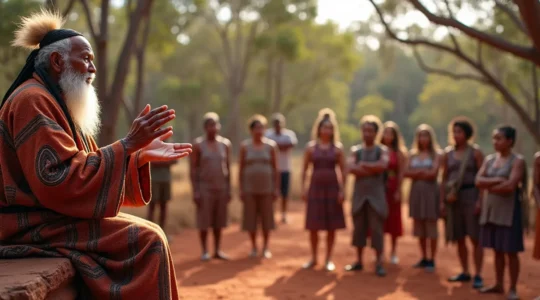
Welcome to Country vs Acknowledgement of Country: What Is the Difference?
The distinction between a Welcome to Country and an Acknowledgement of Country is a common point of confusion. A Welcome to Country is a formal ceremony performed exclusively by a Traditional Custodian to welcome people to their ancestral lands. An…
Read more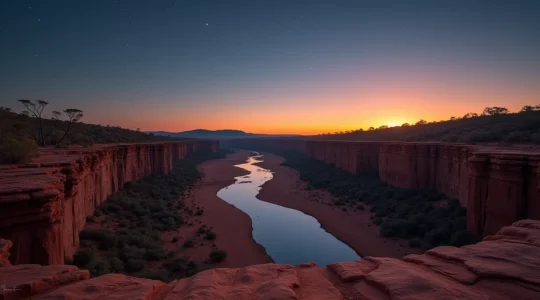
Understanding ‘Dreamtime’: Why It Is Not Just Mythology?
Often mistaken by Western perspectives as a collection of ancient myths, the Aboriginal ‘Dreaming’ or ‘Tjukurpa’ is, in fact, a far more complex and vital concept. It represents a living, perpetual legal and philosophical system that operates in a continuous…
Read more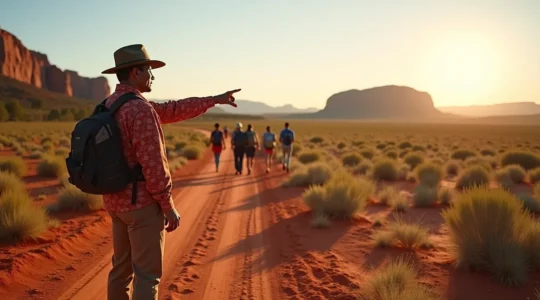
Why a Guide Is Essential for Understanding Songlines on Walks?
Choosing a self-guided walk shows you a landscape; an Indigenous-led tour lets you read a living library. A guide translates the invisible, revealing a world of medicine, history, and law hidden in plain sight. They provide cultural literacy, teaching you…
Read more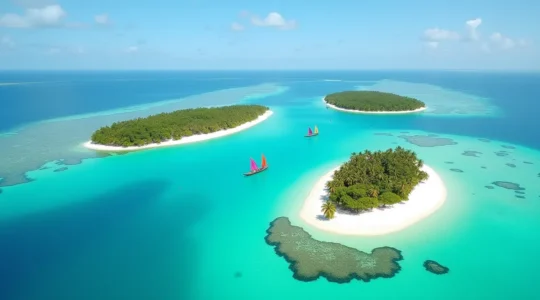
Aboriginal vs Torres Strait Islander: What Is the Difference?
The distinction between Aboriginal and Torres Strait Islander peoples goes far beyond a simple mainland-versus-island geography; it is rooted in a unique “saltwater consciousness.” This maritime identity is expressed through specific cultural symbols like the Dhari headdress, which is fundamentally…
Read more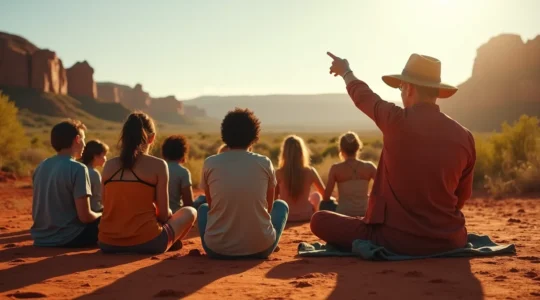
How to Ask Cultural Questions During an Indigenous Tour Without Being Offensive
Many well-meaning travelers fear asking the wrong question on an Indigenous tour, focusing on a mental list of what’s forbidden. However, the key to respectful engagement isn’t memorizing rules, but understanding the foundational cultural frameworks you are entering. By grasping…
Read more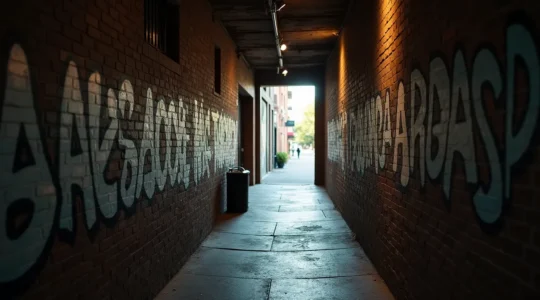
Hidden Art Galleries in Melbourne Laneways You Can Visit for Free
Melbourne’s art scene is more than just street art; it’s a welcoming ecosystem of free galleries waiting to be explored by those who know how to engage with it. Commercial galleries value curious visitors as much as buyers, seeing them…
Read more
Melbourne vs Sydney: Which City Fits Your Creative Style Better?
Choosing between Melbourne and Sydney isn’t about beaches versus laneways; it’s about matching your creative process to the city’s fundamental “cultural operating system.” Melbourne operates on a ‘Sub-culture & Integration’ model, rewarding those who explore its layered, independent scenes from…
Read more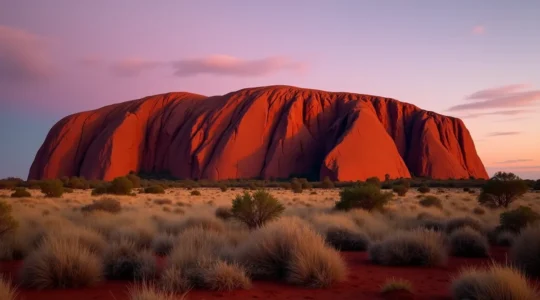
Why Climbing Uluru Is Forbidden and How to Respect Anangu Law
Visiting Uluru is not about following rules; it’s about understanding Tjukurpa, the living law that governs the land. The ban on climbing is a direct application of this law, which views the rock as a sacred, physical embodiment of ancestral…
Read more