Nature & Wildlife
Witnessing wildlife in its natural habitat represents one of travel’s most profound privileges. Yet this privilege carries significant responsibility. Every encounter between humans and wild creatures creates ripples through delicate ecosystems, influencing animal behavior, habitat integrity, and the long-term viability of the species we cherish most.
Understanding how to observe, appreciate, and protect nature requires more than enthusiasm. It demands practical knowledge about animal behavior, ecosystem fragility, safety protocols, and the ethical frameworks that separate meaningful conservation-focused tourism from harmful exploitation. This comprehensive resource equips you with the essential knowledge to engage with wildlife responsibly, protect yourself and animals during encounters, and contribute positively to conservation efforts worldwide.
Why Marine Ecosystems Demand Your Respect and Attention
Coral reefs represent some of Earth’s most biodiverse ecosystems, yet they remain extraordinarily vulnerable to human impact. A single careless fin kick can destroy decades of coral growth, while sunscreen chemicals and physical contact introduce contaminants that compromise reef health. Understanding your role in protecting these underwater cities starts before you even enter the water.
Recognizing the Fragility Beneath the Surface
Coral bleaching events occur when environmental stressors cause corals to expel their symbiotic algae, leaving ghostly white skeletons behind. While climate change drives large-scale bleaching, localized human activities accelerate damage. When selecting tour operators, prioritize those with eco-certification credentials that demonstrate commitment to reef protection through limited group sizes, mandatory briefings, and adherence to no-touch policies.
Timing and Technique for Responsible Reef Visits
Water clarity varies dramatically based on tidal patterns, weather conditions, and seasonal factors. Visiting during optimal clarity windows not only enhances your experience but reduces the likelihood of accidental coral contact due to poor visibility. Maintain neutral buoyancy, keep hands clasped behind your back, and stay aware of your fin positioning at all times. The reef’s permanent residents—from tiny nudibranchs to apex predators—each play irreplaceable roles in maintaining ecosystem balance.
How to Stay Safe While Protecting Wildlife
The intersection of human safety and animal welfare forms the foundation of responsible wildlife encounters. Many travelers underestimate the risks posed by seemingly docile creatures or fail to recognize how their presence alters animal behavior in ways that endanger both parties.
Understanding Behavioral Cues and Warning Signs
Kangaroos displaying aggressive postures—standing upright, pawing the ground, or direct staring—communicate clear warnings that many visitors misinterpret. Similarly, cassowaries use distinctive vocalizations and body language before charging. Learning to read these signals allows you to retreat before situations escalate. Never position yourself between an animal and its escape route, and always maintain minimum recommended distances that vary by species.
Food, Feeding, and Fatal Mistakes
Human food contamination creates dependency behaviors that compromise animals’ natural foraging skills and nutritional health. Animals that associate humans with food become bolder, increasing dangerous encounter frequency. Store all food in sealed containers, never offer handouts regardless of how “tame” an animal appears, and check shoes, backpacks, and gear for hidden food particles before setting out on trails.
Navigating High-Risk Scenarios
Dawn and dusk represent peak activity periods for many species, creating collision risks on roads passing through wildlife corridors. Reduce speed significantly during these windows and scan road edges continuously. When encountering snakes on trails, remember that most species strike only when threatened or cornered. Freeze, identify the snake’s position, and back away slowly along your original path. Your calm retreat allows the snake to escape without perceiving you as a threat.
Discovering Nocturnal Creatures After Dark
The natural world transforms after sunset. Species that remain hidden during daylight hours emerge to hunt, forage, and navigate using senses far superior to human capabilities. Observing these creatures requires specialized techniques that prioritize their wellbeing over photographic opportunities.
Essential Equipment and Lighting Protocols
White light disrupts nocturnal animals’ night vision and triggers stress responses. Red-filtered lights allow observation while minimizing disturbance, as most mammals cannot perceive red spectrum wavelengths. Invest in quality red LED headlamps with adjustable brightness, and always begin with the lowest setting. Binoculars with large objective lenses gather more available light, enabling detailed observation from respectful distances.
Reading Habitat Signs and Animal Evidence
Successful nocturnal wildlife observation relies on understanding where animals live and how they move through landscapes. Scratches on tree bark, distinctive droppings, track patterns, and territorial scent markings reveal invisible highways and feeding stations. Learning to identify these clues transforms random searching into strategic observation, reducing the time you spend disturbing habitats and increasing meaningful sighting opportunities.
Finding the World’s Most Elusive and Unique Mammals
Some creatures exist nowhere else on Earth, making their observation simultaneously thrilling and concerning. Their rarity often reflects specific habitat requirements and vulnerability to environmental changes, demanding extraordinary care from observers.
Monotremes: Bridging Mammalian Evolution
Platypuses and echidnas represent evolutionary bridges between reptiles and mammals, making them scientifically invaluable and notoriously difficult to spot. Prime platypus habitats feature clean, slow-moving waterways with overhanging vegetation and muddy banks suitable for burrow construction. Observe during early morning or late evening when they’re most active, and watch for bubble trails and distinctive ripple patterns rather than the animals themselves.
Male platypuses possess venomous spurs on their hind legs capable of delivering excruciating pain. Never attempt to handle these creatures. Echidnas, meanwhile, blend remarkably well with leaf litter and fallen logs. Look for distinctive digging patterns and ant activity that signals their feeding sites.
Daylight Challenges: Finding Critically Endangered Species
The numbat, one of the world’s rarest marsupials, remains active during daylight hours despite being highly vulnerable to predators. Their survival often depends on predator-proof fencing that excludes introduced species while allowing native animals to thrive. When visiting protected areas, respect all fencing and never create gaps or shortcuts that compromise these barriers.
Contributing Beyond Observation
Citizen science programs transform casual wildlife observers into valuable data collectors. Recording sighting locations, times, behaviors, and habitat characteristics contributes to population monitoring and conservation planning. Many organizations provide apps that make data submission simple while helping researchers track species distribution and population trends across vast areas that professional scientists cannot monitor alone.
What Responsible Wildlife Tourism Really Means
Social media amplifies wildlife trends with alarming speed, creating viral sensations that often harm the very animals they celebrate. Cute wildlife selfies drive visitor surges that overwhelm habitats, normalize harmful handling practices, and create false expectations about wild animal behavior.
The “No Touch” Principle and Its Importance
Regulations prohibiting wildlife contact exist for compelling reasons. Human touch transfers oils, chemicals, and pathogens that compromise animal health. Physical contact also habituates animals to human presence, reducing their natural wariness and increasing vulnerability to predators, poachers, and vehicle strikes. The best camera angles never require touching, feeding, or cornering animals. Invest in quality zoom lenses rather than approaching too closely.
Identifying Animal Stress and Adjusting Behavior
Stressed wildlife displays recognizable signs: repetitive movements, attempts to hide or flee, aggressive displays, and disrupted natural behaviors like feeding or grooming. When you observe these indicators, you’ve already approached too closely or stayed too long. Immediately increase distance and reduce your group’s noise level. Remember that your desire for photographs never justifies causing stress.
Seeking Authentic Encounters Away from Crowds
Viral hotspots concentrate visitor pressure on small areas and specific animal populations. Seeking less-publicized locations distributes tourism impact more evenly and often provides superior wildlife observation opportunities. Animals in quieter areas exhibit more natural behaviors and tolerate observation better than constantly harassed populations at famous sites.
Understanding Ecological Roles and Conservation Context
Many species serve as keystone organisms whose presence or absence dramatically affects entire ecosystems. Top predators regulate prey populations, preventing overgrazing. Pollinators enable plant reproduction. Scavengers prevent disease spread. Understanding these interconnections transforms wildlife observation from entertainment into education, fostering the deep respect that drives lasting conservation commitment.
Engaging meaningfully with nature and wildlife requires humility, patience, and continuous learning. The knowledge you’ve gained here forms a foundation, but every ecosystem and species presents unique considerations. Approach each encounter as an opportunity to observe, learn, and minimize your impact, ensuring these extraordinary creatures and their habitats endure for generations of travelers yet to come.
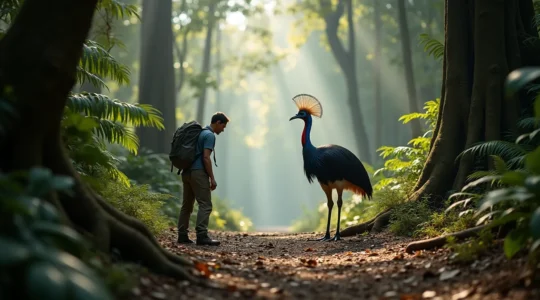
Encountering a Cassowary: 3 Life-Saving Steps If You Get Too Close
In summary: Identify cassowary presence early by spotting their distinctive, large-seeded droppings on the trail. If you encounter a cassowary, your primary survival tactic is to never turn your back or run. Back away slowly and calmly. Use a bag…
Read more
How to Take an Ethical Quokka Selfie and Protect Rottnest Island’s Wildlife
The perfect quokka selfie has nothing to do with a selfie stick and everything to do with earning the animal’s trust. Touching or feeding quokkas can lead to severe fines and cause fatal diseases like ‘lumpy jaw’. Reading a quokka’s…
Read more
Platypus Spotting: A Naturalist’s Guide to Seeing Them in the Wild
Seeing a platypus isn’t about luck; it’s about skill. This guide moves beyond the generic ‘go at dawn’ advice, teaching you how to read the river’s subtle cues, interpret animal behaviour, and understand the ecological signs that lead to successful…
Read more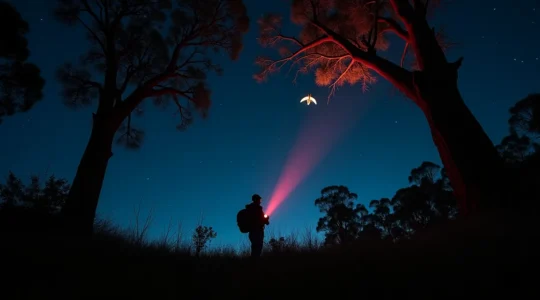
How to Spot Nocturnal Marsupials in the Wild Without Disturbing Them?
In summary: Swap damaging white torchlight for red light to remain invisible to most nocturnal mammals. Learn to read the “ground language” of tracks and scat to locate animals before you see them. Use thermal monoculars for initial detection and…
Read more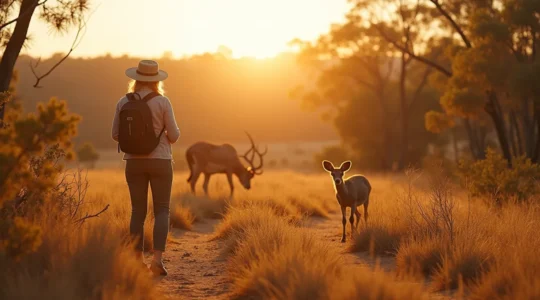
An Australian Ranger’s Guide to Wildlife Encounters: Safety Through Understanding
The key to safely experiencing Australia’s wildlife isn’t avoiding it, but understanding its language. Recognize an animal’s warning signs instead of provoking an instinctive reaction. Back away slowly and sideways to signal you are not a threat; never turn and…
Read more
How to Visit the Great Barrier Reef Sustainably Before It Changes?
Visiting the Great Barrier Reef today isn’t about a last-chance bucket list; it’s about becoming an active, educated guardian of its future. Seeing bleached coral isn’t the end. Understanding the difference between a stressed, recovering, and dead reef is a…
Read more