In summary:
- Surviving Darwin’s oppressive ‘build-up’ humidity requires a physiological strategy, not just willpower.
- Prioritize mental acclimatization and strategic rest (the ‘siesta method’) over forcing a typical tourist schedule.
- Proper hydration means managing electrolytes, not just drinking water, and understanding why alcohol is particularly detrimental in the heat.
- Your choice of clothing and activities must be radically adapted, favouring breathable fabrics and safe, designated cooling spots like the Waterfront wave pool.
Stepping off a plane into Darwin during the “build-up” from October to December is a full-body experience. It’s not just heat; it’s a thick, oppressive blanket of humidity that seems to slow time itself. The common advice is predictable: drink water, wear a hat, and seek air conditioning. While not wrong, this advice barely scratches the surface of what’s required to actually function, let alone enjoy a trip, when the air feels more like a warm soup than a gas.
This approach treats the symptoms but ignores the root cause of the discomfort: the immense physiological and psychological load placed on an unacclimatised body. But what if the key wasn’t simply to endure the humidity, but to strategically negotiate with it? The secret to not just surviving but thriving in Darwin’s pre-monsoon season lies in understanding *why* your body and mind react so strongly and implementing targeted strategies that work with your physiology, not against it.
This guide moves beyond the platitudes. We will dissect the mental strain of constant humidity, outline a schedule for your day that respects the climate’s power, and delve into the science of hydration and skin care in the tropics. Finally, we’ll cover the practicalities of how these environmental factors should reshape your activity planning and even what you pack in your suitcase. It’s time to learn how to master the build-up, not just be mastered by it.
Summary: A Strategic Guide to Darwin’s Pre-Monsoon Climate
- Irritability and heat: understanding the psychological effect of constant humidity
- The siesta method: why you shouldn’t plan outdoor activities between 11am and 3pm?
- Prickly heat and fungal infections: preventing skin issues in the tropics
- Water vs Beer: why alcohol hits harder and dehydrates faster in the humidity?
- The Waterfront wave pool: cooling down when you can’t swim in the ocean
- Why visiting Darwin in the wet season limits your outdoor activities?
- Why drinking water isn’t enough: the importance of electrolytes in the tropics?
- Packing for Australia: How to Handle 4 Climate Zones in One Suitcase?
Irritability and heat: understanding the psychological effect of constant humidity
The first casualty of extreme humidity is often your mood. The feeling of being perpetually damp, sticky, and overheated isn’t just a physical annoyance; it’s a significant psychological stressor. Your body is working overtime simply to maintain its core temperature through sweating, but when the air is already saturated with moisture, sweat can’t evaporate effectively. This constant, low-level physical stress consumes mental energy, shortening your fuse and making you more susceptible to irritability, fatigue, and a feeling of being overwhelmed. This isn’t a personal failing; it’s a documented physiological response.
According to experts, this environmental pressure can have a profound impact on mental well-being. As Dr. Al-Kindi notes in the Houston Methodist Blog, ” High humidity has been linked to increased levels of stress, anxiety, irritability, and depressive symptoms. It can disrupt sleep, reduce motivation and make it harder to concentrate.” Recognizing that your frustration is a symptom of the environment is the first step toward managing it. Instead of fighting the feeling, the strategy is to give your brain and body periodic breaks from the oppressive sensory input.
Actively managing this sensory overload is crucial. This involves creating deliberate moments of escape and recovery throughout the day. Rather than trying to power through, you must plan for mental downtime. Consider these techniques:
- Create sensory breaks: Spend 15-20 minutes in a quiet, dark, cool room every few hours to reset your nervous system.
- Practice humidity-focused mindfulness: Instead of fighting the physical discomfort, try to observe and accept it without judgment.
- Manage stress hormones: Gentle practices like meditation or stretching can help mitigate the buildup of cortisol caused by heat stress.
- Stay hydrated: Dehydration is a major contributor to irritability. Keep on top of your fluid intake to prevent your mood from deteriorating.
- Maintain social connections indoors: Don’t isolate yourself. Plan social activities in cool, comfortable indoor settings during the peak humidity hours.
By treating mental fatigue with the same seriousness as physical exhaustion, you can maintain the resilience needed to actually enjoy your time in the Top End.
The siesta method: why you shouldn’t plan outdoor activities between 11am and 3pm?
In temperate climates, midday is for lunch and sightseeing. In Darwin’s build-up, it’s a time for strategic retreat. The hours between 11 am and 3 pm represent the peak of both solar radiation and humidity, creating a brutal combination that makes any outdoor activity draining and potentially dangerous. Attempting to push through this period is a rookie mistake that leads to exhaustion, heat stress, and a miserable experience. The local wisdom, born from generations of experience, embraces a different rhythm: the siesta method.
This doesn’t necessarily mean taking a nap (though it’s a great option). It means consciously structuring your day into two active parts: the early morning (from sunrise to around 10 am) and the late afternoon/evening (from 4 pm onwards). The long, hot middle of the day is reserved for low-energy, indoor activities in air-conditioned environments. This could be exploring the Museum and Art Gallery of the Northern Territory, enjoying a long lunch in a waterfront cafe, or simply relaxing at your accommodation. This two-part day is the cornerstone of successful acclimatization.
This approach allows you to align your energy with the environment, maximizing your enjoyment while minimizing physical stress. You’ll find you have more energy for a sunset market or an early morning trip to a nature park when you haven’t spent the midday hours battling the oppressive heat.
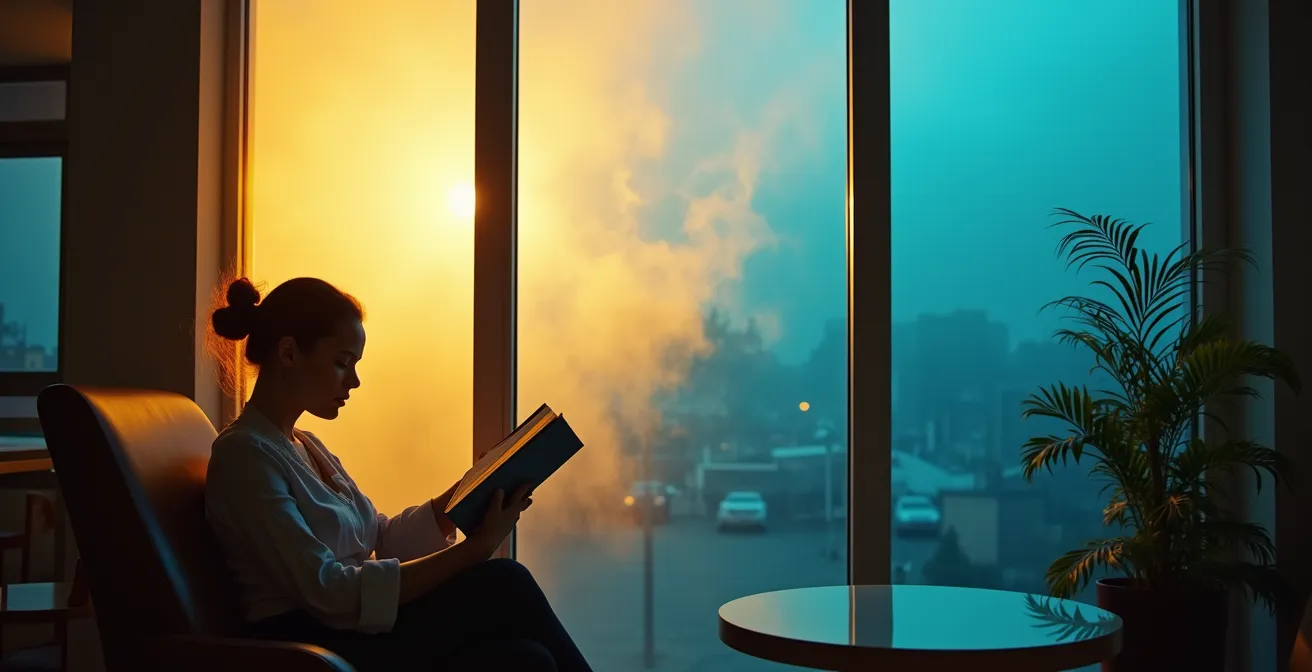
As the image above suggests, the midday break is a tactical retreat into a cool sanctuary. It’s a moment to recharge, rehydrate, and let your body recover before the second half of the day’s adventures. By embracing this rhythm, you’re not “missing out”; you’re adopting a sustainable tourism practice that allows you to experience the best of the Top End without burning out. This is the single most important structural change to make to your travel itinerary.
Think of it not as a limitation, but as the key that unlocks a more enjoyable and sustainable way to explore this unique and challenging environment.
Prickly heat and fungal infections: preventing skin issues in the tropics
The constant moisture of 90% humidity creates a perfect breeding ground for a host of skin complaints that can quickly ruin a trip. When your skin is perpetually damp from sweat that can’t evaporate, your pores can become blocked, leading to the intensely itchy rash known as prickly heat (miliaria). Furthermore, this warm, moist environment is a paradise for fungi, making skin infections like athlete’s foot or tinea a common concern for unprepared travelers. Prevention is overwhelmingly better than cure, and it starts with what you wear.
Forget your standard cotton t-shirts. While comfortable in dry heat, cotton acts like a sponge in humidity, absorbing moisture, staying damp, and clinging to your skin. This not only feels unpleasant but also promotes the growth of bacteria and fungi. The key is to pack clothing made from materials designed for moisture management and quick drying. Lightweight merino wool, bamboo, and certain high-tech synthetics are far superior choices as they actively wick moisture away from the skin, allowing it to evaporate more efficiently and keeping you feeling drier and more comfortable.
Choosing the right fabric is a technical decision that has a huge impact on your comfort and health in the tropics. This table, based on advice for Top End travel from Norther.com.au, breaks down the performance of common materials. A link to the source can be found here.
| Fabric Type | Moisture Management | Anti-Fungal Properties | Drying Time |
|---|---|---|---|
| Cotton | Poor – stays damp | Low – promotes growth | Slow |
| Bamboo | Excellent – wicks effectively | Natural antibacterial | Moderate |
| Merino Wool | Superior – thermoregulating | Odor-resistant when damp | Fast |
| Quick-dry Synthetics | Good – moisture-wicking | Variable | Very Fast |
Beyond clothing, good hygiene is paramount. Showering twice a day, ensuring you dry yourself thoroughly (especially between the toes and in skin folds), and using an anti-fungal powder can make a significant difference. Treat your skin as a critical piece of equipment that needs to be maintained for the duration of your tropical expedition.
Water vs Beer: why alcohol hits harder and dehydrates faster in the humidity?
The temptation of an ice-cold beer on a sweltering day is universal. However, in the extreme humidity of the Darwin build-up, that seemingly refreshing choice can quickly turn against you. Alcohol is a diuretic, meaning it makes you urinate more frequently, leading to dehydration. In an environment where you are already losing vast amounts of fluid through sweat, adding a diuretic into the mix is a recipe for rapid dehydration and potential heat-related illness. But the problem goes deeper than that.
The combination of heat and alcohol has a compounding effect on your circulatory system. Both heat and alcohol are vasodilators; they cause your blood vessels to widen. When this happens, your blood pressure can drop, and your heart has to work harder to pump blood throughout your body. This dual effect can lead to dizziness, fainting, and an increased strain on your cardiovascular system. In fact, physiological research shows this combination causes a 9-10 bursts/min increase in sympathetic nerve activity, your body’s “fight or flight” response, even while your blood pressure drops.
This complex physiological interaction was highlighted by researchers in the American Journal of Physiology.
Despite eliciting sympathoexcitation, two drinks of ethanol or red wine did not increase blood pressure, likely because of countervailing vasodilation.
– American Journal of Physiology researchers, Heart and Circulatory Physiology Study
This doesn’t mean you must be completely abstinent, but it does mean you need a strict harm-reduction strategy. If you choose to drink, you must be far more mindful than you would be in a cooler climate.
Your Action Plan: Harm Reduction Guide for Drinking in Tropical Heat
- Implement a strict one-for-one rule: drink one full glass of water for every alcoholic beverage consumed.
- Choose lower-alcohol options like beers under 4% or wine spritzers to reduce the diuretic effect.
- Pair alcohol with electrolyte-rich snacks such as salted nuts or avocado to replenish what you’re losing through sweat.
- Avoid drinking during the peak heat hours of the day (11am-3pm) when your body is already under maximum stress.
- Monitor yourself for early signs of a dangerous blood pressure drop, such as dizziness or light-headedness.
- Never consume alcohol before or during water activities like swimming, as it impairs judgment and physical coordination.
Ultimately, water, ideally enhanced with electrolytes, remains your best friend. Prioritizing proper hydration over the fleeting pleasure of a beer is a critical component of staying safe and healthy.
The Waterfront wave pool: cooling down when you can’t swim in the ocean
A glance at the sparkling, turquoise ocean surrounding Darwin on a hot day can be a tantalizing and cruel mirage. The number one rule of water safety in the Top End is simple and non-negotiable: you do not swim in the ocean. The threat is twofold and ever-present. Firstly, the waters are home to a large population of saltwater crocodiles, apex predators that are masters of camouflage. Secondly, during the wet season (which the build-up precedes), deadly Irukandji and Box jellyfish are prevalent. Ignoring these warnings can have fatal consequences.
The sheer number of crocodiles is staggering. To put it in perspective, Northern Territory government data reveals that 237 crocodiles were caught in Darwin Harbour in just 12 months, and those are only the ones that were found. The real number is much higher. This makes any thoughts of a casual beach swim an unacceptable risk. So, how does one cool off in a city surrounded by beautiful but deadly water?
The answer lies in purpose-built, safe swimming infrastructure. Darwin has invested in creating safe havens for locals and tourists to escape the heat, the most prominent of which is the Darwin Waterfront Precinct. Here you’ll find a Recreation Lagoon, a man-made beach with stinger-proof netting, and the star attraction for many: the Wave Lagoon. This is a massive chlorinated pool that generates a variety of wave patterns, from gentle swells to boogie-boarding-worthy waves up to 1.2 metres high. It provides all the fun of the ocean with none of the mortal danger, allowing you to cool down, relax, and have fun in the water with complete peace of mind.
Visiting the Waterfront isn’t just a fun activity; it’s a vital part of a heat management strategy, offering a safe, refreshing, and necessary respite from the oppressive humidity.
Why visiting Darwin in the wet season limits your outdoor activities?
While this guide focuses on the “build-up,” it’s important to understand the season that follows it: the wet season proper (typically January to March). Many of the challenges of the build-up—heat and humidity—are intensified, with the addition of spectacular monsoonal downpours and dramatic electrical storms. This weather dramatically reshapes what is possible for a tourist itinerary. The heavy rains can lead to widespread flooding, causing many roads, particularly in national parks like Kakadu and Litchfield, to become impassable. This means access to certain famous gorges, waterfalls, and walking tracks may be cut off entirely.
However, “limited” does not mean “impossible,” and the wet season offers its own unique and powerful spectacle. It is a time of incredible transformation. The parched landscape erupts into a vibrant, lush green. The waterfalls, fed by the monsoonal rains, are at their most thunderous and impressive. Wildlife is also more active and visible, with a higher likelihood of seeing crocodiles and a staggering array of birdlife. For many, the raw power of a tropical lightning storm viewed from a safe waterfront restaurant is a holiday highlight in itself.
Successfully navigating a trip during this time requires flexibility and a shift in perspective. Ground-based exploration might be curtailed, but other opportunities open up. A scenic flight, for example, becomes one of the best ways to witness the sheer scale and power of the flooded landscapes and immense waterfalls of Kakadu. Planning must revolve around the weather, with a mix of indoor attractions and opportunistic outdoor adventures. Key strategies for navigating this season include:
- Checking the NT Road Report website daily for real-time conditions.
- Booking scenic flights to access views of otherwise inaccessible areas.
- Having a list of excellent indoor activities like museums and galleries for rainy days.
- Embracing the spectacle of the weather, such as watching lightning shows from covered waterfront cafes.
- Building flexibility into your itinerary to adapt to sudden closures or opportunities.
A trip during the wet season is not a typical sun-and-sand holiday; it’s an immersion into the powerful, life-giving forces of the tropical monsoon, and with the right planning, it can be an unforgettable adventure.
Why drinking water isn’t enough: the importance of electrolytes in the tropics?
In extreme humidity, the constant advice to “drink plenty of water” is incomplete and potentially misleading. When your body is sweating profusely to cool down in an environment with 75% average humidity in January, you’re not just losing water. You’re losing critical mineral salts known as electrolytes—primarily sodium, potassium, and magnesium. These minerals are vital for nerve function, muscle contraction, and maintaining the body’s fluid balance. Replenishing with plain water alone can dilute the remaining electrolytes in your system, leading to a dangerous condition called hyponatremia (low sodium), with symptoms ranging from nausea and headaches to confusion and seizures.
Therefore, a proper hydration strategy in the tropics must focus on replacing both water and electrolytes. While commercial sports drinks can do the job, they are often very high in sugar and not cost-effective for constant consumption. A better approach is to use low-sugar electrolyte powders or tablets that can be added to your water bottle. Alternatively, you can focus on consuming natural sources or even make your own simple rehydration solution.
Comparing your options is crucial for finding a sustainable and healthy hydration method for your trip. This table breaks down the pros and cons of common electrolyte sources.
| Source | Sodium | Potassium | Sugar Content | Cost-Effectiveness |
|---|---|---|---|---|
| Sports Drinks | High | Moderate | Very High | Low |
| Electrolyte Powders | Balanced | Balanced | Low | High |
| Coconut Water | Low | Very High | Natural | Moderate |
| DIY Solution | Customizable | Customizable | Minimal | Very High |
The key is proactive replacement. Don’t wait until you feel thirsty or dizzy. Sip on your electrolyte-enhanced water consistently throughout the day. A good rule of thumb is to monitor your urine color; a pale yellow indicates good hydration, while dark yellow or orange is a clear sign you need to drink more. A simple and effective DIY protocol includes:
- Mixing 1 litre of water with 1/4 teaspoon of salt and 2 tablespoons of honey or fruit juice for glucose.
- Consuming natural electrolyte sources like bananas (potassium), avocados, and salted peanuts.
- Drinking before you feel thirsty, as thirst is a delayed indicator of dehydration.
Mastering your hydration strategy is the most fundamental step you can take to protect your health and ensure you have the physical energy to enjoy Darwin.
Key takeaways
- Mind over Matter: The mental strain of humidity is real. Acknowledge it and plan for strategic “sensory breaks” in cool, quiet spaces to maintain your psychological well-being.
- Timing is Everything: Adopt the “siesta method.” Structure your day around the heat, planning outdoor activities for early morning and late afternoon, and using midday for indoor rest and recovery.
- Hydrate Smarter: In extreme humidity, water isn’t enough. You must actively replace lost electrolytes (sodium, potassium) with powders, tablets, or natural sources to prevent dehydration and heat stress.
Packing for Australia: How to Handle 4 Climate Zones in One Suitcase?
Packing for a trip that includes Darwin’s build-up alongside other Australian destinations presents a unique challenge. Australia isn’t a single climate; it’s a continent with multiple climate zones. You might need a warm jacket for Melbourne’s evenings, smart casual wear for Sydney’s restaurants, and then a completely specialized kit for the tropical north. The key is not to pack more, but to pack smarter using a modular approach. Think of your luggage as containing a “Tropical Module“—a dedicated set of clothing and gear specifically for the Top End.
This module should be built around the principles discussed: moisture-wicking fabrics, skin protection, and hydration support. This isn’t the place for your favorite cotton band t-shirt. It’s for lightweight merino or bamboo tops, quick-dry shorts or trousers, and open, breathable footwear. But clothing is only half the battle. Your tropical gear checklist must include non-clothing items that are absolutely essential for comfort and safety in high humidity.
These are the small, often overlooked items that can make a huge difference. A tiny, powerful fan can provide a personal breeze that feels like a lifesaver. Anti-fungal powder is a non-negotiable for foot health. And organizing your bag with dry sacks and packing cubes not only keeps things tidy but also protects your electronics from the pervasive moisture and helps quarantine damp clothes from dry ones. Your essential non-clothing checklist should include:
- A quick-dry microfibre towel for constant sweat management and quick-drying after a swim.
- A powerful, battery-operated handheld fan for personal cooling during waits or in stuffy areas.
- Waterproof dry bags to protect your phone, camera, and other electronics from both rain and ambient humidity.
- Silica gel packets tucked into your luggage and electronics bags to absorb moisture and prevent mould.
- Anti-fungal foot powder to use daily to keep your feet dry and prevent infections.
- Packing cubes to create your “Tropical Module” and keep damp or dirty clothes separate.
By preparing this dedicated module, you ensure you are fully equipped to handle the specific challenges of Darwin’s climate without overpacking for the entire Australian journey.