Blog
Australia presents a unique challenge for first-time travellers: a continent-sized country where distances defy expectations, climate zones shift dramatically within hours of travel, and environmental protection laws are among the strictest on Earth. Unlike compact European destinations or well-connected Asian hubs, Australia demands careful preparation across multiple dimensions that many visitors underestimate until they’re halfway through their journey.
The complexity isn’t just about booking flights and accommodation. It’s about understanding how seasonal weather patterns in the tropical north can completely contradict conditions in the southern states during the same week, why a hiking boot worn in New Zealand might be confiscated at customs, and how a single oversight in route planning can add thousands of unnecessary kilometres to your itinerary. This comprehensive resource connects the essential knowledge areas that transform an ambitious Australian adventure from overwhelming to achievable, covering the logistics, environmental realities, health considerations, and strategic planning that experienced travellers wish they’d known before their first visit.
Planning Your Route: Balancing Distance, Budget and Experience
Australia’s sheer size is the first reality check for most visitors. The distance from Sydney to Perth exceeds 4,000 kilometres—comparable to crossing Europe from London to Istanbul. This geographical reality forces difficult decisions about what to include, what to skip, and how to connect destinations without spending your entire budget on transport.
Selecting Strategic Entry and Exit Points
Your choice of arrival and departure cities fundamentally shapes your entire itinerary. Flying into Sydney and out of Cairns, for example, creates a logical northward progression that eliminates backtracking. Conversely, a return ticket to the same city often locks you into inefficient circular routes that waste both time and money. Consider the open-jaw ticket strategy: arriving in one major hub and departing from another, which typically costs only marginally more than a standard return but can save hundreds in internal transport costs and several days of travel time.
Creating Logical State-to-State Connections
Interstate travel requires understanding that Australia’s population centres cling to the coastline, with vast unpopulated regions in between. A route from Melbourne to Darwin, for instance, isn’t a simple straight line—it involves choosing between coastal highways with more frequent services or inland routes through the Red Centre that offer iconic experiences but require greater self-sufficiency. Budget travellers often underestimate the cost differential: a budget airline ticket between major cities frequently costs less than the fuel for the equivalent driving distance, though it eliminates the flexibility and sightseeing opportunities of ground travel.
Estimating Realistic Daily Costs
Australian prices reflect the country’s high wages and remote location. Budget travellers should anticipate $80-120 AUD daily covering hostel accommodation, supermarket meals, and local transport in major cities, with costs rising significantly in remote areas where limited competition inflates prices. Activities like reef diving, wildlife tours, or national park permits add considerable expense. The key is distinguishing between unavoidable baseline costs and optional experiences, then prioritising ruthlessly based on your genuine interests rather than tourist industry marketing.
Understanding Australia’s Extreme Climate Variations
Few countries exhibit such dramatic climate diversity within their borders. A single trip can expose you to monsoonal downpours, desert heat exceeding 45°C, and temperate conditions requiring winter layers—sometimes within the same week. This isn’t theoretical variation; it’s a practical challenge that affects what you pack, when you travel, and which regions are even accessible.
The Tropical North: Wet and Dry Seasons
Northern Australia operates on a binary climate system. The dry season (roughly May to October) offers perfect conditions: clear skies, manageable temperatures, and accessible roads. The wet season transforms the landscape into an spectacular but challenging environment where flooding closes major highways, humidity becomes oppressive, and certain attractions shut completely. Tour operators in places like Kakadu National Park essentially operate half the year, then close during the wet. Booking a northern itinerary for January without understanding these patterns guarantees disappointment and wasted deposits.
The Red Centre: Managing Extreme Heat
Central Australia’s desert climate creates conditions that can be genuinely dangerous without proper preparation. Summer temperatures regularly exceed 40°C in the shade—when shade exists at all. The standard advice is to visit between April and September when daytime temperatures hover around 20-28°C, but this coincides with peak season pricing and crowds. Early morning starts become mandatory in warmer months, with most activities completed by 10am before heat makes exertion unsafe.
Southern States: Variable Conditions
Melbourne’s reputation for “four seasons in one day” isn’t exaggeration. Southern Australia experiences genuine seasonal variation with cold winters and temperamental spring weather. Packing for the south requires layering options even in summer, when a 28°C afternoon can give way to a 15°C evening with wind gusts. This variability intensifies in Tasmania, where alpine conditions exist year-round in highland areas just hours from temperate coastal regions.
UV Exposure Across the Continent
Australia’s UV levels surprise even sun-conscious travellers from other hot climates. The country experiences some of Earth’s highest UV radiation due to atmospheric conditions, with extreme ratings (11+) common across most regions during summer months. Sunburn can occur in under 15 minutes during peak hours. This isn’t about comfort—it’s a genuine health risk that requires consistent sun protection regardless of your skin type or tanning ability in other countries.
Navigating Biosecurity: Australia’s Strictest Border Controls
Australia’s isolation created unique ecosystems that remain extraordinarily vulnerable to introduced species and diseases. The country’s biosecurity regime reflects this fragility with regulations that shock travellers accustomed to more relaxed border procedures elsewhere. These aren’t bureaucratic obstacles—they’re essential protections for environments that can be irreversibly damaged by seemingly harmless contamination.
Declaration Requirements and Penalties
The incoming passenger card asks detailed questions about food, plant material, animal products, and outdoor equipment. The critical rule is: when in doubt, declare it. Items declared and subsequently confiscated attract no penalty; undeclared items discovered during inspection result in substantial on-the-spot fines starting at several hundred dollars. Common items requiring declaration include hiking boots worn overseas, wooden souvenirs, certain medications, and any food products—even commercially packaged snacks from your departure airport.
Cleaning Outdoor Equipment
Camping gear, hiking boots, and bicycles used in rural or wilderness areas abroad require thorough cleaning before arrival. Soil embedded in boot treads can harbour fungal spores or seeds that threaten native species. Biosecurity officers have authority to confiscate items they deem inadequately cleaned, with no compensation. The practical solution is either bringing new/thoroughly cleaned gear or purchasing items locally, though the latter significantly impacts budget travellers’ costs.
Interstate Quarantine Zones
Biosecurity doesn’t end at international borders. Certain agricultural products cannot cross state boundaries due to fruit fly and disease control measures. Signs at state borders clearly indicate restrictions, with disposal bins provided for fresh produce. Carrying fruit from South Australia into Western Australia, for example, can result in fines even for domestic travellers. This primarily affects road-trippers stocking up on groceries, who must plan provisions accordingly rather than buying in bulk.
Protecting Island Sanctuaries
Islands like Lord Howe Island and certain sections of the Great Barrier Reef maintain even stricter protocols. Some islands require luggage x-rays specifically checking for rodents, insects, or plant material. Access to certain conservation areas may require boot cleaning immediately before entry, even if you’ve already cleared international customs. These measures protect environments that literally cannot recover from introduced species—a single rat reaching a seabird colony can cause extinction-level impacts.
Budget Travel Across Vast Distances
Long-haul ground transport in Australia tests endurance and planning skills. Budget options exist but require understanding the trade-offs between cost, comfort, time, and safety. A Sydney to Melbourne coach journey takes 12-14 hours overnight and costs a fraction of flying, but the experience differs dramatically from European coach travel with its frequent stops and varied scenery.
Surviving Extended Bus and Train Journeys
Seat selection matters more than many budget travellers realise. Front seats near the driver minimise motion sickness and provide better temperature control. Aisle seats allow movement without disturbing neighbours during 12+ hour journeys. Bringing a quality neck pillow and lightweight blanket transforms overnight comfort, while noise-cancelling earphones block engine drone and fellow passengers’ conversations.
Managing Temperature and Power Needs
Australian coaches typically over-air-condition, creating uncomfortably cold conditions during overnight services even in summer. Layered clothing proves essential—shorts and t-shirt for boarding in 35°C heat, but hoodie and long pants once the air conditioning reaches full strength. For devices, portable power banks are mandatory; not all services offer charging ports, and relying on uncertain connections risks arriving with dead phones in unfamiliar cities at 6am with accommodation to locate.
Meal Stop Strategy
Rest stops at remote roadhouses charge premium prices for mediocre food. Experienced budget travellers carry substantial provisions: sandwiches prepared before departure, protein-rich snacks like nuts and eggs, and enough water to remain independent of marked-up service station bottles. A small cooler bag with ice packs keeps fresh food safe during overnight journeys, though be mindful of condensation potentially damaging electronics in your luggage.
Health and Safety in Remote and Tropical Regions
Australia’s health risks differ significantly from those in developing nations. The country has excellent medical facilities and no endemic diseases like malaria in most regions, but specific environmental hazards require understanding and preparation that many Western travellers overlook.
Tropical Disease Zones and Prevention
Parts of far north Queensland experience dengue fever transmission, particularly following wet season rains that create mosquito breeding conditions. While risk remains relatively low compared to Southeast Asia, cases occur regularly in towns like Cairns. DEET-based repellents with 20-30% concentration provide effective protection when applied correctly—meaning reapplication every few hours, particularly after swimming or sweating. Permethrin-treated clothing adds a second layer of defence for extended time in high-risk areas.
Recognising Symptoms and Seeking Care
Understanding when to seek medical attention prevents minor issues becoming serious in remote areas. Heat exhaustion symptoms—nausea, dizziness, rapid pulse—require immediate cooling and hydration before they progress to heat stroke. Marine stinger symptoms (from jellyfish in northern waters October-May) demand rapid treatment with vinegar and emergency services contact. Australia’s remote areas may be hours from hospitals, making early symptom recognition crucial.
Protective Clothing for Multiple Threats
Long, lightweight clothing serves triple duty in northern Australia: sun protection against extreme UV, mosquito bite prevention, and marine stinger protection when swimming in non-stinger enclosure areas. Purpose-designed sun protective swimwear (rashies) has become standard rather than optional for reef activities, protecting against both UV radiation and jellyfish contact better than applying and reapplying sunscreen to wet skin.
Using Professional Weather and Safety Tools
Generic weather apps designed for urban environments fail in Australian conditions where localised patterns, extreme events, and activity-specific forecasts matter more than city-wide temperatures. Professional tools used by locals provide actionable intelligence that prevents dangerous situations before they develop.
Rain Radar and Warning Systems
The Bureau of Meteorology’s rain radar shows real-time precipitation movement, crucial for understanding whether that dark cloud approaches or moves away. During wet season in the north, distinguishing between a passing shower and the leading edge of a severe storm system determines whether you continue hiking or seek shelter immediately. Official weather warnings categorise severity levels clearly, unlike consumer apps that often downplay dangerous conditions.
Activity-Specific Forecasting
Wind direction and strength matter enormously for activities like reef diving, sailing, or coastal walks. A 15-knot southerly creates perfect diving conditions on the reef’s northern side but rough, dangerous seas on the southern aspect. UV forecasts help schedule outdoor activities for safer morning hours. Surf forecasts detail wave height, period, and swell direction—critical information that determines whether a beach offers gentle swimming or deadly rip currents.
Comparing Multiple Forecast Models
In regions with highly variable conditions, cross-referencing the Bureau of Meteorology with alternative models provides confidence when planning activities with financial consequences like tour bookings. Forecasts converging on similar conditions suggest reliability; significant divergence indicates uncertainty requiring flexible backup plans rather than firm commitments to weather-dependent activities.
Structuring Your Pre-Departure Preparation
The sequence of pre-trip tasks matters more than many travellers realise. Certain elements require weeks or months of lead time, while others depend on earlier steps being completed first. Strategic scheduling prevents last-minute panics and expensive rushed solutions.
Visa Processing as Your First Priority
Australian visa processing times vary seasonally and by visa type. While electronic visas for many nationalities process within hours, others require health examinations, police certificates, or additional documentation that extends timelines to weeks. Starting visa applications three months before departure creates buffer for unexpected requests or processing delays. Nothing else in your planning matters if visa issues prevent travel entirely.
Securing High-Demand Experiences Early
Certain Australian experiences have genuinely limited capacity that sells out months ahead during peak season. Popular reef diving operators, Uluru sunrise tours, and accommodations in remote areas like the Kimberley operate with fixed capacity constrained by permits or infrastructure. Booking these anchor experiences first, then building surrounding itinerary around them, prevents disappointment or forced itinerary changes that cascade through your entire trip.
Health Requirements and Home Logistics
Vaccination requirements for Australia itself are minimal for most travellers, but visiting certain regions may warrant additional precautions that require multiple doses over weeks. Japanese encephalitis vaccination, for instance, requires two doses given 28 days apart—impossible to complete last-minute. Home logistics like pet care require advance arrangement, particularly for extended trips during peak holiday periods when quality services book quickly.
Preparing for Australian travel ultimately means respecting the continent’s scale, environmental uniqueness, and climatic extremes that distinguish it from more compact destinations. The travellers who most enjoy their Australian experience are those who invest time understanding these realities upfront, then plan methodically around them rather than discovering constraints mid-journey when options become limited and expensive.

The 6-Month Timeline: In What Order Should You Book Your Trip?
In summary: Treat trip planning like project management: sequence tasks based on risk, scarcity, and dependencies. Administrative tasks like visa applications must precede non-refundable bookings to avoid financial loss. Secure “anchor” bookings (e.g., limited-capacity lodging) up to a year in…
Read more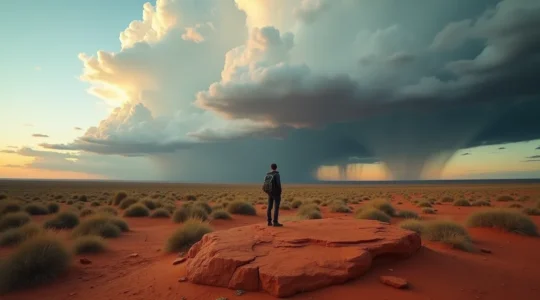
Why You Must Use the BOM App Instead of Generic Weather Apps?
Generic apps provide a guess; the BOM app provides the meteorological data for an informed, life-saving decision. It leverages a dense network of 700+ physical stations, capturing microclimates that global models, with their 50km grid spacing, completely miss. It provides…
Read more
Preventing Ross River Virus: Mosquito Safety in the Tropics
Effective Ross River virus prevention relies on a strategic, evidence-based approach to risk mitigation, not just a list of generic tips. Your choice of chemical repellent (Picaridin vs. DEET) has significant consequences for the durability of your outdoor gear. The…
Read more
Surviving the 24-Hour Bus Ride: How to Sleep Comfortably?
In summary: Surviving a long bus ride is less about gear and more about a proactive strategy of managing your personal environment. Mastering your “personal bubble” through seat choice and temperature control is the first step toward rest. A robust…
Read more
How Australia’s Strict Bio-Security Laws Impact Your Luggage
Frustrated by Australia’s complex biosecurity rules? The key is not just knowing the regulations, but understanding the critical reasons behind them. This guide explains the ecological and economic principles that drive each restriction, transforming compliance from a chore into a…
Read more
Packing for Australia: How to Handle 4 Climate Zones in One Suitcase?
In summary: Ditch the “pack for every possibility” mindset and adopt a minimalist, strategic approach. Build a versatile “core kit” based on high-performance, multi-functional fabrics like merino wool and synthetic insulation. Understand and prepare for specific environmental stressors: extreme UV,…
Read more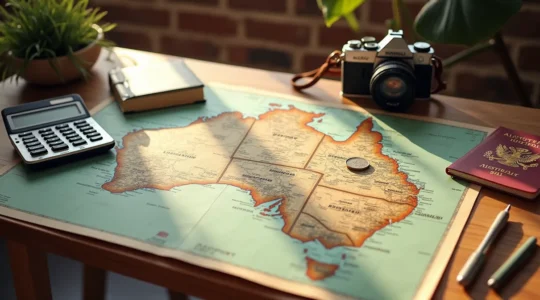
How to Plan a 3-Week Australia Trip Without Overspending: A Logistics-First Guide
In summary: Prioritize traveling during the “shoulder seasons” (March-May, September-November) to significantly reduce flight and accommodation costs. Your choice of arrival city (Sydney vs. Melbourne) creates a logistical cascade affecting domestic travel costs and routes. Master the 6-month booking timeline;…
Read more