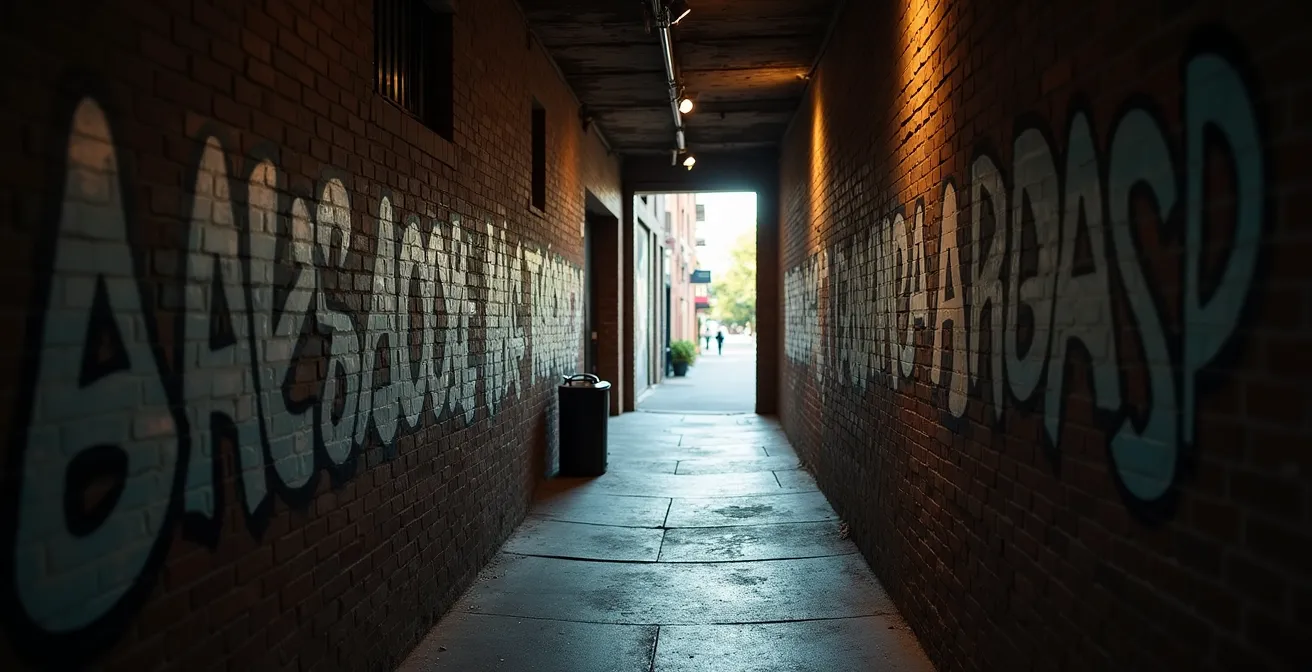
Melbourne’s art scene is more than just street art; it’s a welcoming ecosystem of free galleries waiting to be explored by those who know how to engage with it.
- Commercial galleries value curious visitors as much as buyers, seeing them as vital parts of the cultural community.
- Artist-Run Initiatives (ARIs) are the engine room of the city’s creativity, offering a raw look at future art stars.
Recommendation: Engage respectfully, ask thoughtful questions about the artist’s process, and you’ll unlock a deeper, more rewarding cultural experience beyond simple viewing.
For many art lovers, the idea of exploring a city’s gallery scene can feel daunting. There’s the perception of exclusivity, the intimidating silence of white-walled rooms, and the unspoken question: “Am I welcome if I’m not here to buy?” In Melbourne, a city celebrated for its vibrant laneway culture, this feeling is often compounded. While tourists flock to Hosier Lane for a quick photo, the true heart of the city’s art world—a dynamic, accessible, and often free ecosystem of commercial galleries and artist-run spaces—remains hidden in plain sight.
Most guides will offer a simple list of locations, treating art as a scavenger hunt. They point you to the famous murals but rarely explain the culture behind them. But what if the key to unlocking Melbourne’s art scene wasn’t about knowing where to look, but *how* to look? What if you could move beyond being a passive spectator and become a knowledgeable participant, engaging in a creative dialogue with the art and its creators? This guide is built on that premise. It’s designed to reveal the unwritten rules of the gallery world, from deciphering etiquette to spotting emerging talent, empowering you to explore with confidence.
This article will guide you through the intricate yet welcoming network of Melbourne’s art scene. We will demystify commercial galleries, introduce you to the cutting-edge world of artist-run initiatives, and provide you with the tools to not only find but also appreciate the rich tapestry of creativity the city has to offer, all without spending a cent on admission.
Summary: A Curator’s Guide to Melbourne’s Free Art Scene
- Why commercial galleries welcome visitors even if they aren’t buying art?
- The “Next Gen” exhibitions: spotting future stars before they become famous
- Gallery cafes: where to enjoy a brunch surrounded by contemporary installations?
- Exhibition openings: how to get on the guest list for free wine and art?
- Beyond dot paintings: where to see modern urban Aboriginal art?
- X-ray style vs Naturalistic: how to tell the age of a painting by its style?
- Hosier Lane and beyond: locating the most dynamic street art precincts
- How to Ask Cultural Questions Without Being Offensive?
Why commercial galleries welcome visitors even if they aren’t buying art?
The pristine, quiet halls of a commercial gallery can feel like an exclusive club, but the reality is far more welcoming. These spaces are not just retail outlets; they are foundational pillars of the city’s art ecosystem. Their survival depends on more than just high-value sales; it relies on building a vibrant community, generating cultural conversation, and nurturing the careers of their artists. A curious visitor who engages thoughtfully with the work is a vital part of this equation. You are not an intruder; you are a potential advocate, a future collector, or simply part of the audience that gives the art its relevance and energy.
Gallerists and artists understand that appreciation is the first step toward patronage. They invest time in curating shows and representing artists with the long-term goal of building a following. The mission, as seen with cultural hubs like Blender Studios, is often to “educate the public” and showcase the best of a burgeoning art scene. Your genuine interest and informed questions contribute to the gallery’s atmosphere and reputation. Building this relationship over time, by returning for different exhibitions and showing sincere interest, transforms you from a browser into a recognized member of their community.
Blindside does develop informal ongoing relationships with its artists and curators – they are an important part of our arts community.
– Gallery Director, Blindside
Ultimately, a gallery filled with silent, intimidated visitors is a sterile environment. One buzzing with quiet conversation and genuine curiosity is a thriving cultural space. The gallerist knows that today’s art-loving student could be tomorrow’s influential critic, curator, or collector. By welcoming everyone, they are investing in the future of the very art they champion.
The “Next Gen” exhibitions: spotting future stars before they become famous
While established galleries showcase proven talent, the real thrill for any art enthusiast is discovering an artist on the cusp of greatness. In Melbourne, the breeding ground for this raw, experimental talent is its robust network of Artist-Run Initiatives (ARIs). These are non-profit spaces managed by artists, for artists. They operate with a focus on creative freedom rather than commercial viability, making them the perfect place to witness the birth of new ideas, techniques, and movements before they hit the mainstream.
Unlike polished commercial venues, ARIs have a grittier, more authentic energy. They are the laboratories where artists take risks. Visiting them is like getting a backstage pass to the city’s creative engine room. For example, a space like Blindside Gallery alone hosts 20-23 in-gallery exhibitions each year, creating a constant churn of fresh perspectives. This high volume means that on any given week, you can find a dozen new shows to explore across the city, each offering a unique window into the contemporary art dialogue.
Melbourne’s ARI ecosystem is one of the most developed in Australia, supported by networks like the Victorian Initiatives of Artists Network (VIA-n). These are not isolated outposts but an interconnected community. Making the effort to visit them is the single best way to train your eye and spot the “next big thing.” Keep an eye out for spaces such as:
- BUS Projects
- KINGS ARI
- TCB Art Inc.
- West Space
- Seventh Gallery
- Yarra Sculpture Gallery
- Trocadero Art Space
By frequenting these venues, you’ll start to recognize names, track an artist’s development from one show to the next, and gain a much deeper understanding of the forces shaping contemporary art in the city.
Gallery cafes: where to enjoy a brunch surrounded by contemporary installations?
The art-viewing experience doesn’t have to be a formal, silent affair. Melbourne masterfully blends its love for creativity with its world-renowned cafe culture. Tucked away in the same laneways and arcades that house galleries and street art, you’ll find cafes that double as informal exhibition spaces. These venues offer the perfect opportunity to refuel and discuss what you’ve seen, all while being surrounded by even more creative works. It’s a way to make art appreciation a relaxed, sensory part of your day rather than a separate, scheduled activity.
This fusion of art and coffee creates a uniquely Melburnian atmosphere. In these spaces, the line between gallery and public space blurs. A mural might wrap around a doorway, a series of prints might line the wall above your table, and the menu itself might be a piece of graphic design. It’s a holistic approach to creativity that makes art accessible and integrated into the fabric of daily life. Enjoying a flat white in one of these cafes is not just a break—it’s an extension of your artistic exploration.

Many of these hotspots are destinations in their own right, offering a curated experience where the food, coffee, and art all complement each other. Some key places to immerse yourself in this art-filled cafe culture include:
- Degraves Espresso Bar: A classic laneway experience, this European-style cafe is at the heart of the art-filled Degraves Street.
- Roule Galette: A hidden French creperie in Scott Alley, offering an intimate, gallery-like setting.
- Krimper Cafe: Located in Guildford Lane, famous for its proximity to stunning murals by artist Mike Makatron.
- Brick Lane: Enjoy pastries and coffee surrounded by the raw, creative energy of an urban art oasis.
Exhibition openings: how to get on the guest list for free wine and art?
Exhibition openings are the lifeblood of the gallery scene. They are more than just a party with free wine; they are a critical moment for the artist, the curator, and the gallery. It’s the culmination of months of work and the primary venue for networking, discussion, and community building. For an art enthusiast, gaining access to these events is the ultimate way to move from a passive observer to an active participant in the creative dialogue. But how do you get on the coveted guest list?
The secret is surprisingly simple: show genuine and sustained interest. It’s not about who you know, but about becoming a known and appreciated presence. Gallerists and artists want to share their work with people who are truly passionate. By demonstrating your interest thoughtfully and consistently, you signal that you are part of their target community. This isn’t a transactional process; it’s about relationship building, and the “rules” are based on courtesy and engagement.
To get on the radar and secure those invitations, focus on these engagement strategies:
- Join the Mailing List: This is the single most effective step. Almost every gallery has a sign-up sheet at the front desk or on their website. This is their primary channel for announcing openings.
- Engage on Social Media: Follow your favorite galleries and artists. Don’t just “like” their posts; leave thoughtful comments about a specific piece or exhibition. This shows you’re paying attention.
- Visit During Quiet Hours: Stop by on a quiet weekday afternoon. The gallery staff will have more time to chat, and you can ask questions about upcoming shows.
- Be a Regular: Familiarity breeds trust. If you consistently visit a gallery’s exhibitions over time, the staff will recognize you as a genuine supporter.
By following these steps, you’re not just trying to get free wine. You are actively contributing to the gallery’s community and showing your support for the artists, which is the surest way to be welcomed into the inner circle.
Beyond dot paintings: where to see modern urban Aboriginal art?
The story of Aboriginal art is not a monolith frozen in time. While traditional dot paintings and desert styles are a profoundly important part of Australia’s cultural heritage, a powerful and dynamic movement of contemporary Indigenous art is thriving in urban centers like Melbourne. This work often engages with modern identity, politics, and life in the city, blending traditional storytelling with contemporary techniques and materials. Seeking out this art offers a deeper, more nuanced understanding of the world’s oldest living culture as it exists today.
In Melbourne’s laneways and galleries, you can find stunning examples of this evolution. Artists are using street art, digital media, and portraiture to tell new stories and reclaim public spaces. This is art that challenges stereotypes and demands to be seen. It’s a living, breathing part of the city’s visual vernacular that speaks to resilience, pride, and a continuing connection to Country, even within a dense urban landscape.
A prime example can be found just off Hosier Lane. Look for the massive, tender portrait of a young Indigenous boy by renowned artist Adnate. Gazing thoughtfully towards the Yarra River (Birrarung), the work is a powerful statement on the presence and future of Indigenous people in the city. Finding these works requires looking beyond the usual tourist trails and actively seeking out the artists who are leading this contemporary movement. Many commercial galleries and ARIs now proudly feature First Nations artists who are pushing the boundaries of what Aboriginal art can be. Asking gallery staff about the Indigenous artists they represent is a great way to start this journey of discovery.
Exploring this facet of Melbourne’s art scene is an opportunity to engage with a richer, more complete narrative of Australian culture—one that is both ancient and fiercely contemporary.
X-ray style vs Naturalistic: how to tell the age of a painting by its style?
When we talk about telling the age of a painting by its style, we often think of art history—distinguishing a Renaissance portrait from an Impressionist landscape. However, in the fast-evolving context of Melbourne’s laneways, “age” and “style” take on a different meaning. Here, the visual language isn’t measured in centuries but in layers of spray paint and the evolution of techniques. Understanding the different styles of street art—the city’s unique visual vernacular—is how you learn to “read” the walls and understand their history.
The laneways are a living canvas where artworks can appear and disappear overnight. The age of a piece is less about its creation date and more about the style it represents. Learning to identify these styles is like learning the grammar of the street. It allows you to appreciate the skill, intention, and cultural context behind each piece.
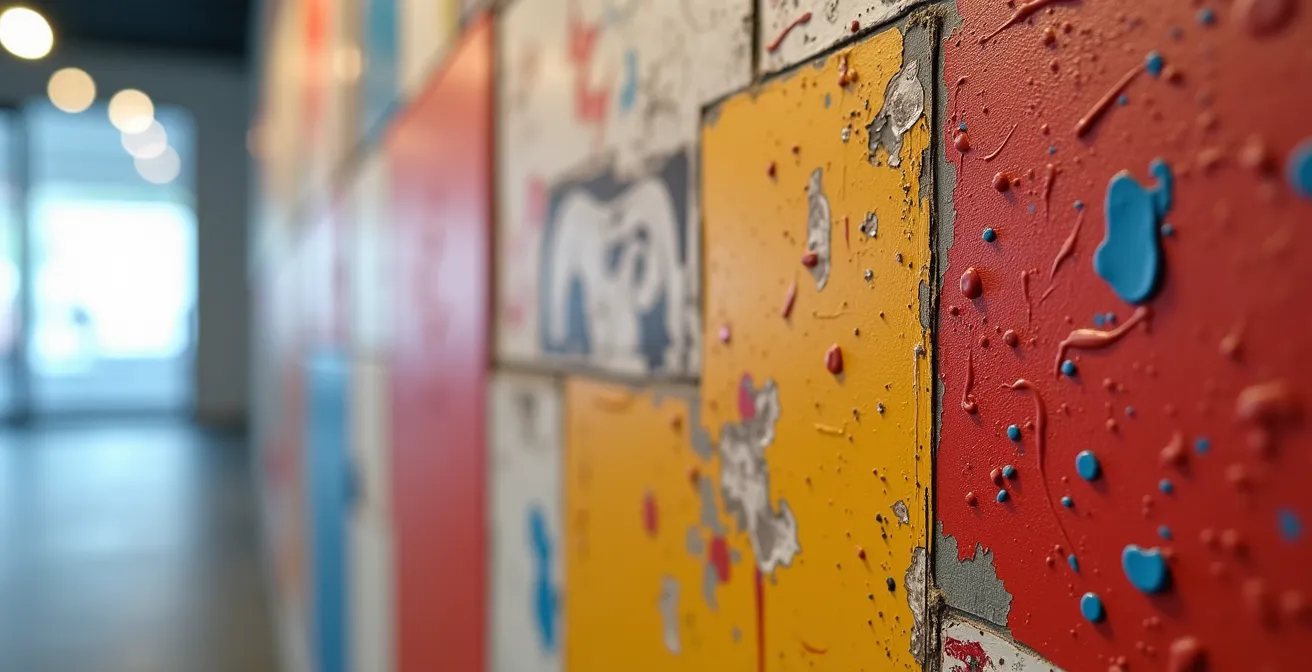
The primary forms you will encounter are part of a global street art movement, each with its own history and aesthetic:
- Graffiti: This is the foundation. It’s letter-based art focused on style, form, and color. From simple “tags” (an artist’s signature) to elaborate “pieces,” graffiti is an expressive art form centered on technical skill with a spray can.
- Stencils: Popularized by artists like Banksy, stencils involve cutting an image out of a rigid material and spraying paint over it. This allows for the rapid reproduction of detailed and often politically charged images.
- Paste-ups: These are drawings or prints on paper that are affixed to walls using glue. This technique allows artists to create intricate, illustrative work in their studio and apply it quickly in the urban environment. They often have a more transient, ephemeral quality.
By learning to distinguish a graffiti piece from a multi-layered stencil or a delicate paste-up, you’re no longer just looking at a colorful wall. You’re deciphering a complex cultural dialogue and appreciating the diverse skills of the artists who make the city their gallery.
Hosier Lane and beyond: locating the most dynamic street art precincts
Hosier Lane is undeniably the epicenter of Melbourne’s street art scene, a bluestone-paved icon that has become an outdoor gallery of international renown. With its dense layers of spray paint, stencils, and paste-ups, it offers an ever-changing spectacle of urban creativity. It is so popular that Melbourne’s most famous street art destination attracts more than one million visitors every year. While a visit is essential, focusing solely on Hosier Lane is like visiting Paris and only seeing the Eiffel Tower. The true spirit of Melbourne’s street art is found in exploring the wider network of laneways, each with its own distinct character and community.
To truly understand the city’s creative pulse, you must venture “beyond Hosier.” Many other laneways offer a different flavor of street art, from music-themed tributes to commissioned large-scale murals and 3D installations. Exploring these precincts allows you to escape the crowds and discover works in a more intimate setting. Some walls are “legal walls,” sanctioned spaces where artists can work on large-scale pieces without fear of removal, while much of what you see is “guerrilla art,” appearing unsanctioned and adding to the transient, dynamic nature of the scene.
To guide your exploration, consider this breakdown of key precincts, which as a comparative analysis shows, each offers a unique experience:
| Location | Key Features | Art Style |
|---|---|---|
| Hosier Lane | Ever-changing canvas, layered artworks | Mixed media, large-scale murals |
| AC/DC Lane | Rock’n’roll tributes, 3D sculptures | Music-themed art, portraits |
| Blender Lane | First home of Blender Studios | Tags, stencils, paste-ups |
| Union Lane | 70 artists commissioned in 2010 | Fantasy characters, graffiti lettering |
| Meyers Place | Green Your Laneway program | Urban jungle theme, cocktail bars |
Each laneway tells a different story about the city. By venturing into these alternative spaces, you are rewarded with a more authentic and comprehensive view of Melbourne’s world-class street art culture.
Key Takeaways
- Melbourne’s free art scene is an accessible ecosystem, not an exclusive club; commercial galleries welcome curious visitors.
- The future of art is visible today in Artist-Run Initiatives (ARIs), the best places to spot emerging talent.
- True appreciation comes from participation: learning the visual language of street art and the etiquette of gallery engagement transforms your experience.
How to Ask Cultural Questions Without Being Offensive?
You’ve navigated the laneways, found a compelling exhibition, and now you’re standing before a piece of art that moves you. The final step in transitioning from a passive viewer to an engaged participant is learning how to talk about it. Asking questions is the key to unlocking a deeper understanding, but it can also be intimidating. What if you say the wrong thing? The key is to approach it with curiosity and respect, focusing on the artist’s process and intention rather than passing judgment.
This is especially critical given the economic realities many artists face. It’s a sobering fact that in 2021-22, Australian artists earned only $23,200 AU from their creative work on average. This context reframes the conversation: your genuine interest is a form of support and validation for their dedication. By asking thoughtful questions, you honor their labor and contribute to a culture that values creativity. The goal is to start a creative dialogue, not to conduct an interrogation or seek validation for your own taste.
Remembering that you’re speaking with passionate individuals who have dedicated their lives to their craft is the first step. The right questions can open up fascinating conversations with gallerists, curators, and sometimes even the artists themselves. This respectful engagement is the most profound way to connect with the art and the community behind it.
Your Action Plan: Guidelines for Respectful Gallery Conversations
- Focus on Technique: Start by asking about the “how.” A great opening is, “What materials or methods did the artist use to achieve this effect?” This shows you’re looking closely.
- Inquire About Process: Ask questions about the artist’s journey, such as, “What inspired this particular body of work?” or “How long does a piece like this take to create?”
- Direct Questions Appropriately: Ask gallerists about the artist’s career and market. Ask curators about the exhibition’s theme. If the artist is present, ask them about their personal intentions.
- Respect Indigenous Art: When discussing Indigenous art, inquire respectfully about the artist’s connection to Country and community. Avoid making assumptions or asking for generalizations about an entire culture.
- Avoid “Is This Good?”: Never ask a subjective question like, “Is this good art?” Instead, ask an open-ended one: “What story does this piece tell?” or “What do you hope people take away from this exhibition?”
Frequently Asked Questions about Hidden Art Galleries in Melbourne Laneways You Can Visit for Free
How often does the street art change in Melbourne’s laneways?
The artwork is as changeable as Melbourne’s weather – especially in Hosier Lane where art appears and disappears overnight. You’ll always see something new on each visit.
Are there guided tours available for street art exploration?
Yes, Melbourne Street Tours offers walks with professional street artists, and Blender Studios runs both tours and spray-painting workshops for hands-on experiences.
What’s the difference between legal walls and guerrilla art?
Legal walls are sanctioned spaces like those in Fitzroy and Brunswick for large-scale murals, while guerrilla art appears unsanctioned in various laneways and has a more transient nature.