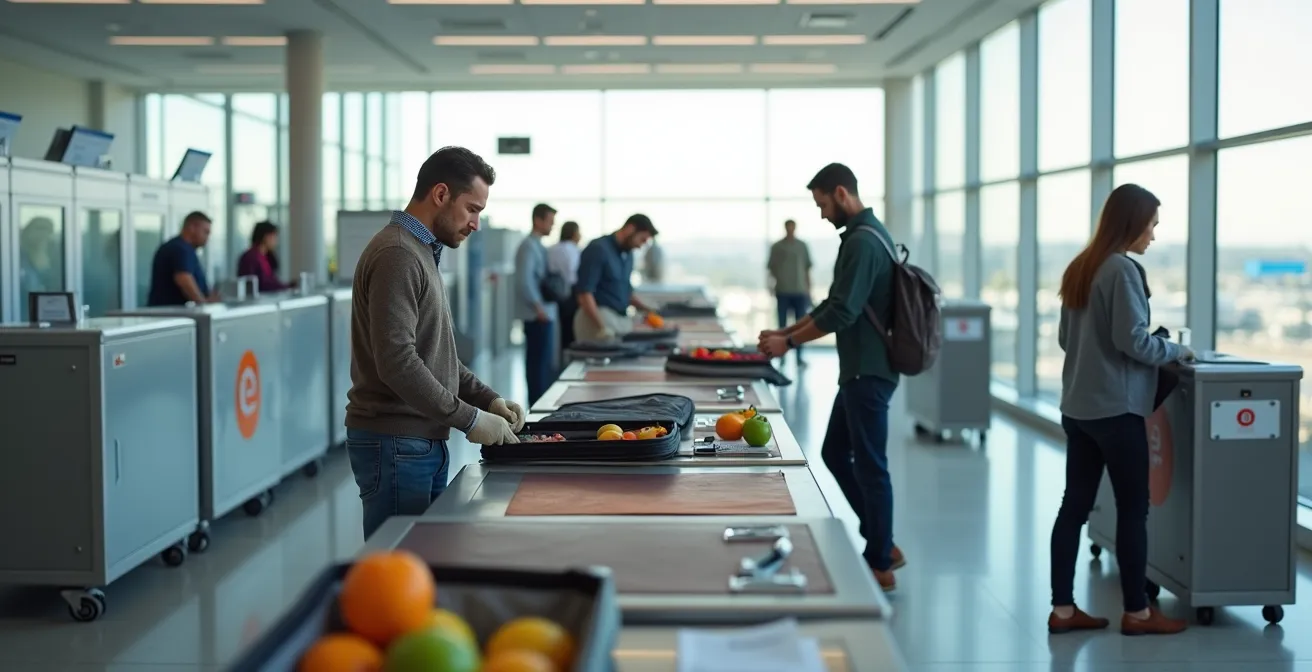
Frustrated by Australia’s complex biosecurity rules? The key is not just knowing the regulations, but understanding the critical reasons behind them. This guide explains the ecological and economic principles that drive each restriction, transforming compliance from a chore into a shared responsibility. By thinking like a biosecurity officer, you can pack with confidence, avoid hefty fines, and actively help protect one of the world’s most unique environments.
As an international traveler preparing for a trip to Australia, your packing list is likely filled with essentials for exploring stunning landscapes and vibrant cities. However, packing for Australia involves more than just clothes and a camera. The country is an island continent with a unique and fragile ecosystem, and it is protected by some of the most stringent biosecurity laws in the world. Many visitors are confused, and rightly so, by what seems like an overwhelming list of prohibited items.
The standard advice you will hear is to “declare everything.” While this is correct, it is insufficient. True compliance comes from understanding the ‘why’ behind the rules. These regulations are not arbitrary; they form an active defense system against devastating pests and diseases that could cripple Australia’s agriculture and destroy its native wildlife. This guide moves beyond simple lists of what not to bring. It provides the official perspective on the primary biosecurity threat vectors your luggage can represent.
Furthermore, navigating international travel involves understanding a complete set of regulations. Beyond biosecurity at the Australian border, this includes visa requirements before you book and even the customs allowances for your journey home. This article will provide a comprehensive overview, focusing on the critical biosecurity measures you must take, while also addressing these other key aspects of responsible international travel planning. We will deconstruct the rules so you can pack smart, travel smoothly, and become a partner in protecting Australia’s ecological integrity.
To help you navigate these crucial regulations, this guide breaks down the essential information into clear, manageable sections. Here is a summary of what we will cover.
Summary: A Traveler’s Guide to Australian Border Regulations
- Declare or dump: why ticking ‘yes’ on the arrival card saves you from a $2600 fine?
- Soil on boots: why dirty hiking shoes are cleaned or confiscated at the airport?
- Fruit fly exclusion zones: why you can’t take an apple from Victoria to South Australia?
- Woven straw and untreated wood: which souvenirs will be seized upon entry?
- The ‘check your pockets’ rule: preventing rodent introduction to pest-free islands
- Why you shouldn’t book flights before your eVisitor visa is approved?
- Duty-free allowances: how many liters can you actually bring back to the UK?
- How to Plan a 3-Week Australia Trip from Scratch Without Overspending?
Declare or dump: why ticking ‘yes’ on the arrival card saves you from a $2600 fine?
Your first interaction with Australia’s biosecurity system happens in the air, with the Incoming Passenger Card. This legal document is not a formality; it is your formal declaration. Ticking ‘No’ when you are carrying food, plant material, or animal products is a serious offense. The choice is simple: declare the item or dispose of it in the amnesty bins available before the customs checkpoint. Failure to declare high-risk items can have immediate and severe financial consequences. On-the-spot fines are not a slap on the wrist.
The potential penalties reflect the seriousness of the risk. Biosecurity is a matter of national importance, and the fines are set to act as a significant deterrent. Official government policy states that infringement notices can be issued up to $2,664 for individuals who fail to declare these goods. This is not a maximum penalty reserved for commercial smugglers; it can be applied to any traveler who makes a false declaration. Being truthful on your card protects you from fines and ensures a smooth entry process.
The declaration process is straightforward and designed to identify risk, not to penalize travelers who are trying to do the right thing. Follow these steps to ensure compliance:
- Complete your Incoming Passenger Card during your flight, truthfully declaring all biosecurity risk items. Honesty is paramount.
- If you have declared items, proceed to the inspection lane (the ‘red channel’) upon arrival. Do not attempt to use the green channel.
- Present your declaration card to the biosecurity officer, who will ask specific questions about the items you have declared.
- Your luggage may be inspected by an officer, put through an X-ray machine, or checked by highly trained detector dogs.
- After inspection, items deemed low-risk will be returned to you. Higher-risk goods may require treatment (at your expense) or will be confiscated for destruction.
Remember, a declaration is not an admission of guilt; it is an act of responsibility. By declaring an item, you give a biosecurity officer the chance to assess its risk level. In many cases, commercially prepared and packaged goods may be permitted after inspection. It is the failure to declare that constitutes the offense.
Soil on boots: why dirty hiking shoes are cleaned or confiscated at the airport?
One of the most common biosecurity risks travelers overlook is hiding in plain sight: on the soles of their shoes. If you have been hiking, farming, or even just walking through a park overseas, your footwear is a potential biosecurity threat vector. Soil, mud, and plant debris can harbor a host of invisible threats, including microscopic diseases, fungal spores, and invasive seeds. These can devastate Australia’s agricultural industries and native flora.
Diseases like Foot-and-Mouth Disease (FMD) can survive in soil and organic matter for extended periods. The introduction of just one of these microscopic pathogens could halt Australia’s multi-billion-dollar livestock industry overnight. This is why biosecurity officers will meticulously inspect outdoor footwear. If your hiking boots, golf shoes, or any other footwear are found to be contaminated with soil, they will be taken for cleaning at your expense or, in severe cases, confiscated and destroyed. The principle is simple: no soil, no risk. It is your responsibility to ensure all your gear is clean before you pack.
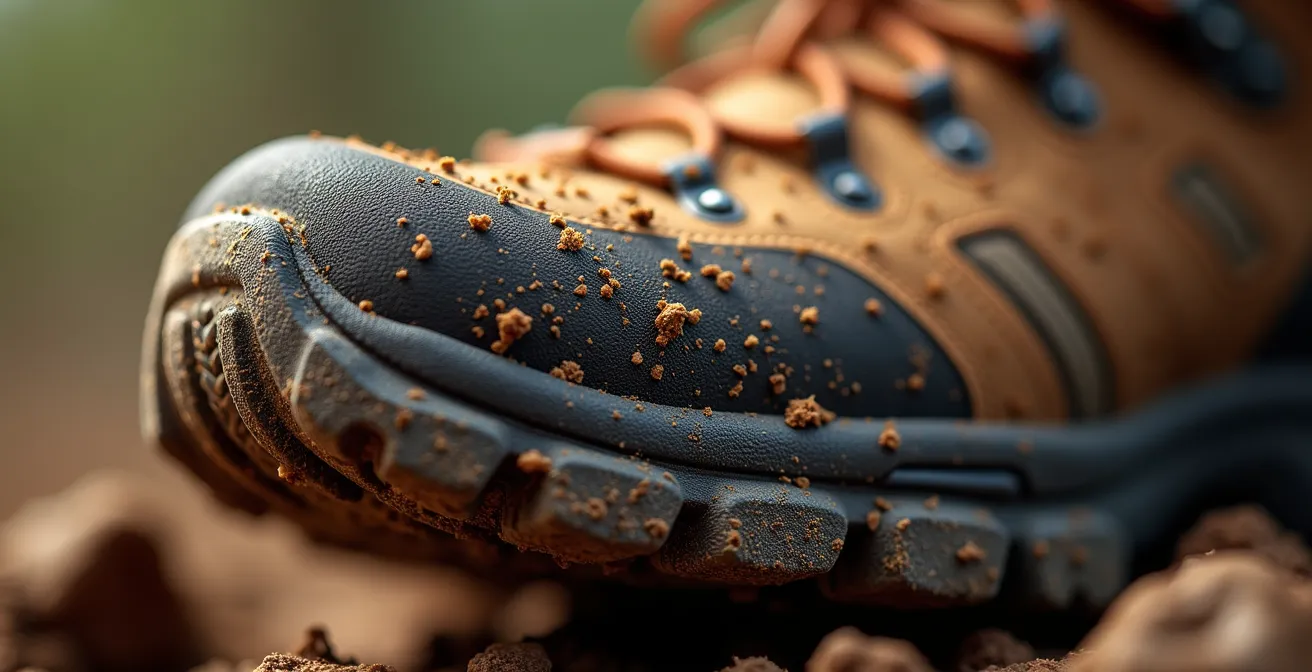
As this image demonstrates, even small crevices in a boot’s tread can hold dozens of seeds and significant soil particles. Each particle is a potential carrier for invasive species. Cleaning your equipment is a non-negotiable step for any traveler planning outdoor activities in Australia. This diligence is crucial for protecting the very landscapes you are coming to enjoy.
Your Pre-Flight Outdoor Gear Biosecurity Audit
- Footwear Inspection: Thoroughly scrub all soil and organic matter from the treads of your shoes and boots. Pay close attention to laces and velcro where seeds can become trapped.
- Camping & Hiking Gear: Inspect tents, backpacks, and sleeping bags, checking all seams, corners, and pockets for insects, snails, or plant material.
- Specialized Equipment: Meticulously clean and completely dry all fishing gear (to prevent didymo algae), golf clubs and shoes, and any other sports equipment used outdoors.
- Pocket & Bag Purge: Completely empty all pockets and shake out all bags, including daypacks and beach towels, to remove any forgotten snacks, crumbs, or seeds.
- Final Declaration Check: After cleaning, you must still declare all outdoor equipment on your Incoming Passenger Card. This signals to officers that you are a responsible traveler.
Fruit fly exclusion zones: why you can’t take an apple from Victoria to South Australia?
Australia’s biosecurity measures don’t stop at the international border. The country is a mosaic of different agricultural regions, many of which have a hard-won, internationally recognized pest-free status. This is particularly true for fruit-growing regions, which are constantly under threat from insects like the Queensland Fruit Fly and the Mediterranean Fruit Fly. To protect these vital industries, strict quarantine zones are enforced between states and even within states.
This means you cannot simply buy a bag of oranges in one state and drive with it into another. For travelers on a road trip, this is a crucial rule to understand. Major highways leading into protected zones like South Australia’s Riverland have quarantine stations and amnesty bins where you must dispose of all fresh fruit and vegetables. A single larva found in a piece of traveler’s fruit could jeopardize an entire region’s ability to export its produce. A fruit fly outbreak can cost millions of dollars in lost trade and require years of effort to eradicate.
These interstate quarantine rules are not suggestions; they are enforced with random roadblocks and inspections. Understanding these zones is essential for any self-drive holiday, as this overview from an analysis of Australian quarantine zones shows.
| Zone | Location | Restricted Items | Enforcement |
|---|---|---|---|
| Ti Tree Fruit Fly Exclusion Zone | Tennant Creek to Alice Springs (NT) | All fresh fruit including capsicum, tomato, eggplant | Roadside bins and checkpoints |
| Riverland Pest Free Area | South Australia | Fresh fruit/vegetables from all states except Tasmania | Yamba Quarantine Station, random roadblocks |
| Kangaroo Island | South Australia | Potatoes (unless washed), bees, bee products | Ferry terminal inspections |
| Queensland Fruit Fly zones | East coast states and NT | Host fruits and vegetables | Mobile quarantine stations |
The best practice is to consume or dispose of all fresh fruit and vegetables before crossing a state line. Plan to buy fresh produce after you have entered a new region. This simple habit supports local growers and prevents the catastrophic spread of agricultural pests.
Woven straw and untreated wood: which souvenirs will be seized upon entry?
Souvenirs are a tangible link to your travel memories, but some items pose a significant biosecurity risk. Products made from plant or animal material—such as untreated wood, straw hats, feathered items, or drums with animal hide—can carry pests and diseases. These items are a common biosecurity threat vector and are subject to strict inspection upon arrival in Australia.
The primary concern is the potential for these items to harbor exotic insects, such as borer beetles, or fungal pathogens. A small wooden carving with bark still attached or with visible insect holes will almost certainly be seized. Items that are fully treated—meaning they are lacquered, painted, or highly polished—are generally considered lower risk because the treatment process kills any potential pests. However, even these items must be declared for inspection. Surprising items like jewelry made from seeds or beans can also be prohibited, as the seeds may be from an invasive plant species.
A recent, high-profile incident highlights how even seemingly harmless items can breach biosecurity laws.
Case Study: The Cost of a Flower Garland
Indian actress Navya Nair was fined AUD 1,980 at Melbourne Airport for carrying a 15 cm jasmine gajra (a traditional flower garland) in her handbag. Despite the item’s cultural significance and her lack of ill intent, fresh flowers are a high-risk biosecurity item as they can carry pests like aphids or thrips. This incident demonstrates that all plant material, no matter how small or personally important, is subject to the same strict rules and can result in severe penalties if not declared.
To avoid disappointment and potential fines, it is wise to be a discerning souvenir shopper. Before purchasing an item made from wood, seeds, or animal products, assess its risk. Avoid raw, untreated materials. If you purchase a valuable wooden item, ask the vendor for a treatment certificate. When in doubt, it is always best to declare the item and let a biosecurity officer make the final assessment.
The ‘check your pockets’ rule: preventing rodent introduction to pest-free islands
Australia is not just a single landmass; it is a continent of islands, many of which are unique ecological sanctuaries. Places like Lord Howe Island, Kangaroo Island, and Tasmania’s offshore islands are home to species that have evolved in isolation, often without ground predators. This makes them extraordinarily vulnerable to introduced pests, especially rodents.
A single rat or mouse that stows away on a ferry or small plane can trigger an ecological catastrophe. Rodents are prolific breeders and voracious predators of eggs and flightless birds. Their introduction to a pest-free island can decimate endemic wildlife populations within a matter of months, undoing decades of conservation work. This principle of island biogeography—the unique vulnerability of isolated ecosystems—is why biosecurity measures for these islands are often even stricter than at international airports.
Case Study: Protecting Sanctuary Islands
Islands like Lord Howe Island (Australia) and Stewart Island (New Zealand) are designated as pest-free sanctuaries. Biosecurity for these locations is managed at the local level, at ferry terminals and regional airstrips. Before boarding, all luggage is checked, and passengers are required to perform a “biosecurity ritual”: shaking out bags, checking shoes, and emptying pockets. Rodent-sniffing dogs are a common sight. These measures are the last line of defense for unique species like the flightless Lord Howe Woodhen, which was brought back from the brink of extinction after a successful rat eradication program.
As a traveler, you have a critical role to play. Before boarding any vessel or aircraft to an Australian island, perform your own meticulous check. Shake out beach towels and daypacks. Check inside your shoes. Most importantly, empty all your pockets to ensure you are not accidentally carrying a forgotten snack that could attract rodents, or a tiny stowaway itself. Your vigilance is essential to preserving these precious and irreplaceable natural havens.

Why you shouldn’t book flights before your eVisitor visa is approved?
While biosecurity governs what is in your luggage, immigration rules govern your entry. A common and costly mistake for travelers is booking non-refundable flights and accommodation before their visa or eVisitor authority has been granted. While many Australian visa applications are processed quickly, delays can and do occur. There is no guarantee of an immediate approval.
The Australian Government’s official advice is to not make firm travel arrangements until you have received notification of your visa grant. An application “submitted” or “received” is not the same as “granted.” Booking in advance is a financial gamble. Should your visa be delayed or, in rare cases, denied, you risk losing up to 100% of your non-refundable booking costs. Airlines and hotels are not obligated to provide refunds for cancellations due to visa issues.
This administrative hurdle is a separate but equally important part of your pre-travel checklist. A disciplined, sequential approach to booking is the only way to protect yourself financially. The excitement of booking a trip should not override prudent financial planning. Adopt a smart booking strategy to mitigate these risks:
- Apply First: Apply for your visa or eVisitor as the very first step. Wait until you have the official ‘Visa Granted’ notification with a reference number before making any financial commitments.
- Use Flexible Fares: When you are ready to book, look for ‘Fly Flexible’ or similarly named airfares that allow you to change your travel dates for a small fee or no penalty.
- Book Refundable Accommodation: Many booking platforms offer ‘pay at property’ or ‘free cancellation’ options for hotels and apartments. Utilize these to secure your lodging without upfront risk.
- Hold Off on Tours: Only book non-refundable internal flights, tours, and experiences after your international flights are confirmed and your visa is granted.
By separating the visa application process from your financial commitments, you remove a significant point of stress and potential loss from your travel planning. Patience at this stage is a form of financial self-preservation.
Duty-free allowances: how many liters can you actually bring back to the UK?
Navigating border regulations is a two-way street. While this guide focuses on the rules for entering Australia, responsible travelers also plan for their return journey. For those traveling from Australia back to the United Kingdom, understanding UK duty-free allowances is key to avoiding unexpected taxes upon arrival at home. These rules dictate the amount of alcohol, tobacco, and other goods you can bring into the country without paying duty or VAT.
The allowances for bringing goods from a non-EU country like Australia into the UK are specific. It is important to note that these allowances are per person and cannot be pooled with other travelers to bring in more than your individual limit. Exceeding these limits means you must declare the goods and pay any tax and duty due. Forgetting to do so can result in having your goods seized.
The rules are structured to allow for personal consumption, not for commercial importation. The following table, based on guidance for travelers, provides a clear summary of what you can bring back to the UK. It is always recommended to check the official UK government website for the most current figures before you travel, as sourced from international travel guidance like that provided by the U.S. Customs and Border Protection on international travel.
| Category | Allowance | Combination Rules |
|---|---|---|
| Spirits (over 22% ABV) | 1 liter | Can split with wine/beer |
| Wine | 4 liters | Plus 16 liters beer allowed |
| Beer | 16 liters | Can combine with wine |
| Other Goods | £390 total value | Includes gifts, souvenirs, electronics |
| Tobacco | 200 cigarettes OR 50 cigars | Cannot combine types |
Planning your duty-free purchases in Australia with these return-leg limits in mind ensures a smooth conclusion to your trip. It is a final piece of administrative diligence that completes a well-planned international journey.
Key Takeaways
- Declaration is Mandatory: Failing to declare risk items is the primary offense, leading to significant fines. Honesty protects you.
- Cleanliness is Non-Negotiable: All outdoor equipment, especially footwear, must be completely free of soil and organic matter.
- Respect Internal Borders: Be aware of and comply with interstate quarantine zones, particularly regarding the transport of fresh fruit and vegetables.
How to Plan a 3-Week Australia Trip from Scratch Without Overspending?
Planning a multi-week trip to a country as vast as Australia requires more than just a budget; it requires a strategy. From a biosecurity and compliance perspective, the sequence of your activities can have a significant impact on the smoothness of your journey. Integrating biosecurity awareness into your itinerary from the very beginning can prevent delays, save you money, and ensure you are acting as a responsible visitor.
Instead of a random sequence of activities, consider a biosecurity-smart itinerary. This involves front-loading activities that require clean gear and saving souvenir shopping for the end of your trip. For example, scheduling your wilderness hikes and rural explorations for the first week ensures your equipment is at its cleanest. As you travel between states, particularly by air, having pre-cleaned gear will prevent it from being flagged for secondary inspection, saving you valuable time.
This strategic thinking extends to food and shopping. Make it a rule to purchase groceries *after* you have crossed a state border, not before. Before you reach a quarantine checkpoint on a road trip, plan for a “finish your fruit” picnic. This turns a restriction into a pleasant part of the journey. For souvenirs, do your main shopping in your final departure city. This prevents the logistical headache of carrying potentially restricted wooden or plant-based items across multiple state lines where rules may differ.
By weaving these simple principles into your travel plan, compliance becomes a natural part of your itinerary rather than an obstacle. You will travel more efficiently, avoid unnecessary stress, and contribute directly to the protection of the Australian environment you came to experience.
By integrating this awareness into your planning, you are not just preparing for a vacation; you are preparing to be a conscientious and respectful guest. Your journey will be smoother, more enjoyable, and will leave a positive impact, ensuring Australia’s unique landscapes remain protected for generations to come.