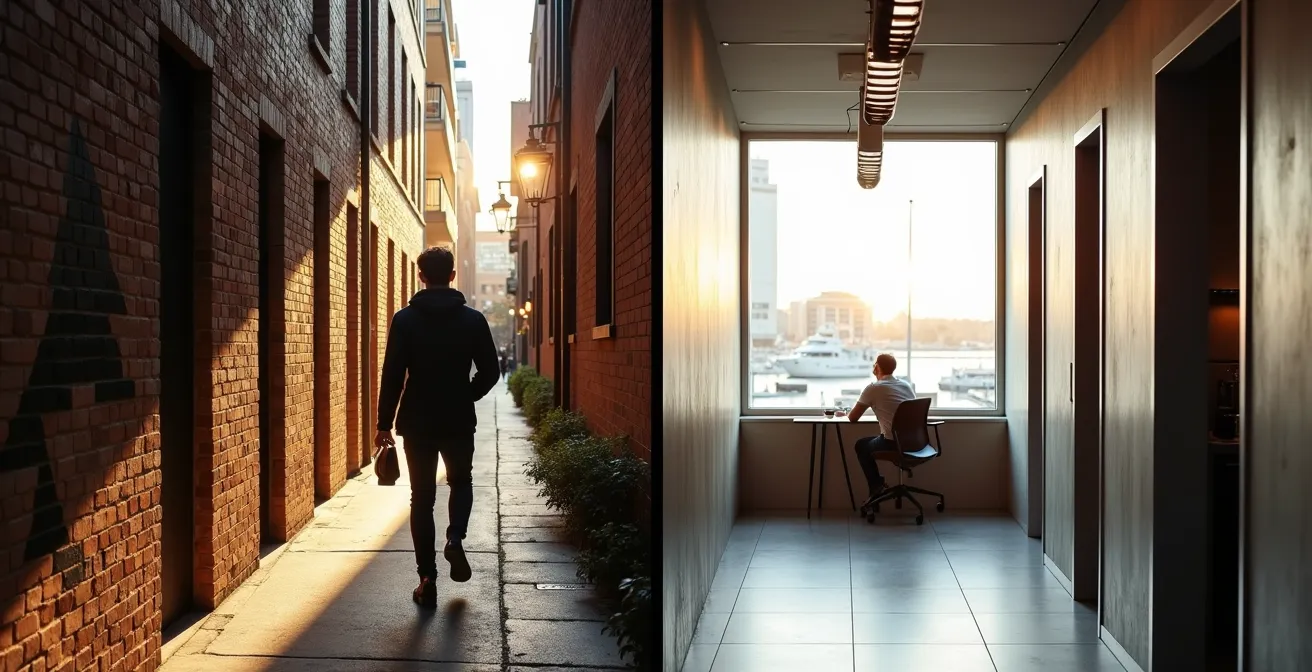
Choosing between Melbourne and Sydney isn’t about beaches versus laneways; it’s about matching your creative process to the city’s fundamental “cultural operating system.”
- Melbourne operates on a ‘Sub-culture & Integration’ model, rewarding those who explore its layered, independent scenes from coffee to art.
- Sydney runs on a ‘Broadcast & Display’ system, offering grand visual stages and rewarding those who can navigate its scale for spectacular creative output.
Recommendation: Don’t ask which city is better; ask which city’s rhythm and creative ecosystem will amplify your specific style of work and life.
For the creative traveler, the choice between Melbourne and Sydney feels like a defining one. The common advice pits Sydney’s spectacular harbour against Melbourne’s moody laneways, its sun-drenched beaches against its vibrant arts scene. This binary, however, barely scratches the surface. It treats two of the world’s most dynamic creative hubs like a tourist brochure, missing the fundamental differences in how they operate and, more importantly, how a creative person can thrive within them.
The decision isn’t about attractions; it’s about energy, workflow, and identity. Each city has a distinct “cultural operating system” that dictates its rhythm, its social codes, and its creative economy. Sydney’s is an OS of ‘Broadcast and Display’—it’s a city of grand statements, iconic backdrops, and polished surfaces, ideal for those whose work is visual, public, and aspirational. Melbourne, by contrast, runs on an OS of ‘Sub-culture and Integration.’ It’s a city of hidden layers, niche communities, and understated expertise, a place that rewards the curious and values process over presentation. To choose correctly, you must understand which system your own creative spirit is designed to plug into.
This guide moves beyond the clichés to deconstruct each city’s creative DNA. We’ll explore the subtle codes of Melbourne’s coffee culture, the economics of its street art, and the ethos of its fashion scene. We will then contrast this with the strategic opportunities in Sydney, showing you how to harness its scale for your own creative projects. The goal is to help you make a choice not as a tourist, but as a creative professional looking for a place to connect and create.
Summary: Melbourne vs Sydney: Decoding the Creative Capitals
- Why asking for ‘just a coffee’ will confuse a Melbourne barista?
- Hosier Lane and beyond: locating the most dynamic street art precincts
- The ‘Melbourne Black’ aesthetic: how to blend in with the local fashion scene?
- The Free Tram Zone: how to avoid a fine when stepping out of the boundary?
- Northcote or Brunswick: where to find the best indie gigs on a Friday night?
- Opal Card caps: how to travel anywhere on Sundays for a fixed low price?
- The Winter Feast: how to get a table without queuing for an hour?
- Hidden Art Galleries in Melbourne Laneways You Can Visit for Free
Why asking for ‘just a coffee’ will confuse a Melbourne barista?
In Melbourne, coffee is not merely a beverage; it’s the city’s primary social and professional lubricant. Asking for “just a coffee” is like asking a chef for “just some food”—it signals a fundamental misunderstanding of the culture. The city’s coffee scene is a highly evolved ecosystem, built on specialisation, ritual, and a deep respect for the craft. With over 1,600 cafes, 95% of which are independently owned, the environment is fiercely competitive and innovative. Your coffee order is a subtle declaration of your purpose and your understanding of this code.
A ‘Magic’ (a double ristretto topped with steamed milk) is the unofficial drink of the city’s creatives—a potent, perfectly balanced brew for deep focus. A flat white communicates classic taste, while ordering a pour-over or filter coffee signals a more connoisseur-level appreciation. This isn’t snobbery; it’s a language. It’s how you find your tribe and calibrate your day. For a creative, mastering this language is the first step to integrating into the city’s workflow, whether you’re seeking a bustling cafe for networking or a quiet corner for sketching.
This intricate culture means that cafes are more than just places to get caffeinated; they are extensions of the creative studio. Many have specific functions: some are for standing-room-only espresso shots to punctuate the day, others are designed for long work sessions with communal tables, and some deliberately lack WiFi to encourage offline tasks and conversation. Understanding which to choose for what purpose is key to hacking the city’s productivity.
- For deep focus work: Order a ‘Magic’—a double ristretto with steamed milk in a 5-6oz cup for maximum caffeine concentration.
- For networking meetings: Choose a flat white at a venue with communal tables to signal your understanding of local culture.
- For creative brainstorming: Try a filter coffee (V60 or Aeropress) at a specialist roaster to demonstrate coffee sophistication.
- For quick inspiration breaks: Visit standing-room-only espresso bars for an authentic Melbourne coffee culture immersion.
- For remote work sessions: Scout cafes with no WiFi, like the famous St. Ali, to focus on offline creative tasks.
Hosier Lane and beyond: locating the most dynamic street art precincts
While Sydney has its polished galleries, Melbourne’s art is famously democratic, spilling out from institutions onto its laneways, buildings, and urban surfaces. Hosier Lane is the iconic starting point, but for the discerning creative, it’s merely the gateway. The real energy lies in understanding that Melbourne’s street art isn’t a static collection of murals but a living, breathing organism. It’s a constant dialogue of paste-ups, stencils, and aerosol, where new works cover old ones in a matter of days. This ephemeral nature is central to the city’s creative ethos: it values evolution over permanence.
This dynamic canvas is more than just decoration; it’s a significant economic driver for the creative community. The city’s reputation as a street art hub directly fuels its cultural tourism, with research showing it generates over $14.2 million annually for local businesses. For a creative, this means the art scene is not just for inspiration but is a tangible ecosystem supporting galleries, studios, and independent ventures. Finding the most dynamic art isn’t about following a map to a famous piece, but about exploring the precincts where this evolution happens in real-time: the ever-changing walls of Fitzroy and Collingwood, the gritty textures of Brunswick, or the hidden corners of the CBD.
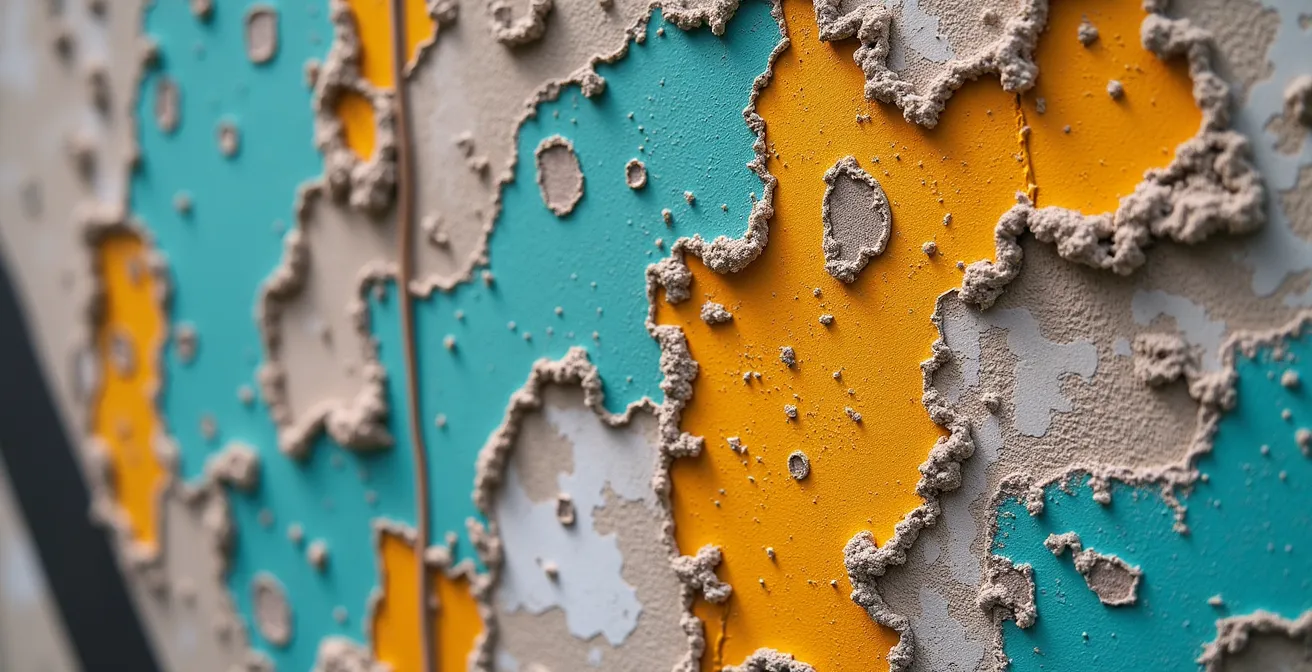
The city rewards the curious. The best finds are often accidental—a small, intricate piece down a forgotten alley, a new mural appearing overnight on a familiar wall. This process of discovery is a form of creative practice in itself. It trains your eye to look for details, to see the city as a layered text, and to appreciate the constant churn of creation and decay that defines Melbourne’s visual identity. It’s a powerful reminder that in this city, art is a conversation, not a monologue.
The ‘Melbourne Black’ aesthetic: how to blend in with the local fashion scene?
In Melbourne, fashion is less about trends and more about a personal uniform—an ethos famously defined by the colour black. But “Melbourne Black” is more than a colour; it’s a philosophy. It’s about texture, layering, and architectural silhouettes. It prioritizes local, independent designers over flashy international logos and values sustainable, well-crafted pieces that can withstand the city’s notoriously fickle “four seasons in one day” weather. This contrasts sharply with Sydney’s aesthetic, which is geared towards its climate and coastal lifestyle—brighter, lighter, and more brand-conscious.
As the Fashion Industry Analysis in the “Melbourne vs Sydney Creative Comparison Study” notes:
Melbourne’s creative fashion is about texture, layering, architectural shapes, and championing local, independent designers over flashy, recognizable logos.
– Fashion Industry Analysis, Melbourne vs Sydney Creative Comparison Study
For a creative professional, adopting this aesthetic is a way to blend in and signal your alignment with the city’s values. It’s not about conformity, but about speaking the local visual language. Your wardrobe becomes a curated collection of versatile, often monochrome pieces from boutiques on Gertrude Street in Fitzroy or vintage finds from Brunswick. It’s an armor of understated cool that says you value substance and craftsmanship over fleeting fashion. The following table breaks down the core differences in creative fashion identity between the two cities.
| Fashion Element | Melbourne Creative Style | Sydney Creative Style |
|---|---|---|
| Color Palette | Monochrome blacks, grays, deep jewel tones | Bright colors, whites, coastal pastels |
| Key Pieces | Architectural coats, vintage finds, leather boots | Designer sunglasses, resort wear, statement accessories |
| Shopping Districts | Gertrude St (independent boutiques), Brunswick (vintage) | Paddington (designer boutiques), Newtown (alternative fashion) |
| Brand Philosophy | Local designers, sustainable fashion, anti-logo | International brands, beach-to-bar versatility |
| Weather Adaptation | Layering for four-seasons-in-a-day | Light fabrics for consistent warm weather |
The Free Tram Zone: how to avoid a fine when stepping out of the boundary?
Melbourne’s public transport system is an integral part of its creative operating system, and the Free Tram Zone is its central processor. This zone covers the heart of the CBD, encompassing major cultural institutions like the NGV, ACMI, and Federation Square. For a creative, it’s a free-roaming passport to a vast campus of inspiration. However, this convenience comes with a critical caveat: the boundaries are invisible, and stepping just one stop outside without a valid ‘Myki’ card can result in a hefty fine. This isn’t just a transport issue; it’s a test of your navigational intelligence.
Successfully navigating this system is a form of practical art. It’s about knowing when to hop on for a few blocks to save energy and when to walk the last 500 meters to avoid a fare. This strategic approach to movement is a microcosm of the Melbourne mindset: efficient, resourceful, and a little bit rebellious. The cost-saving is not insignificant, especially when contrasted with Sydney, where transport economics research shows households can spend over $60 a week on tolls alone, while Melbourne offers this core mobility for free. This difference fundamentally alters how you interact with the city center.
Mastering the zone means you can effortlessly move between meetings, galleries, and libraries without a second thought, preserving both your budget and your creative momentum. It encourages a fluid, spontaneous exploration of the city core that is essential for any artist, writer, or designer. For those on a longer stay, the strategy extends to choosing accommodation just outside the paid zones, close enough to walk to the free boundary. It’s a classic Melbourne life-hack that blends practicality with a deep understanding of the city’s grid.
Your Action Plan: Strategic Myki Zone Navigation
- Map Your Boundaries: Before heading out, use the PTV (Public Transport Victoria) app. It uses your phone’s GPS to show your real-time position relative to the Free Tram Zone borders, eliminating guesswork.
- Audit Your Stops: Look for the green ‘Free Tram Zone’ signs at tram stops. These officially mark the beginning and end of the zone. Make it a habit to identify the last free stop on your intended route.
- Assess Your Trajectory: When planning a trip that ends just outside the zone, evaluate the cost-benefit. Often, it’s more efficient to get off at the last free stop and walk for 5-10 minutes than it is to “touch on” your Myki for a single paid stop.
- Identify Key Hubs: Memorize the fact that major creative and cultural hubs like Federation Square, the National Gallery of Victoria (NGV), and the Australian Centre for the Moving Image (ACMI) are all safely within the free zone. Use these as your navigational anchors.
- Plan Your Integration: If you’re staying longer, consider living just outside Zone 1 but within walking distance of the Free Tram Zone. This maximizes rental savings while still allowing you to leverage the free transport for daily city access.
Northcote or Brunswick: where to find the best indie gigs on a Friday night?
If coffee is Melbourne’s daytime ritual, live music is its nocturnal pulse. The city’s reputation as a global music capital is statistically proven; official Melbourne city data confirms it has one music venue per 8,785 inhabitants, widely cited as the highest density in the world. This isn’t a scene of massive arenas but of small, sticky-floored bandrooms, independent venues, and community-run spaces. For a creative, this means unparalleled access to emerging talent and a powerful sense of community.
The choice between northern suburbs like Northcote and Brunswick isn’t just geographical; it’s sub-cultural. Brunswick, with its main artery of Sydney Road, leans towards punk, electronic, and more experimental sounds. Its venues, like The Retreat or The Brunswick Ballroom, are institutions that feel raw and immediate. Northcote, centered around its High Street, often feels a bit more folk, indie-pop, and established. Venues such as the Northcote Social Club and the Croxton Bandroom are cornerstones of the Australian indie circuit. Choosing where to go on a Friday night is about aligning with a specific sonic and social texture.
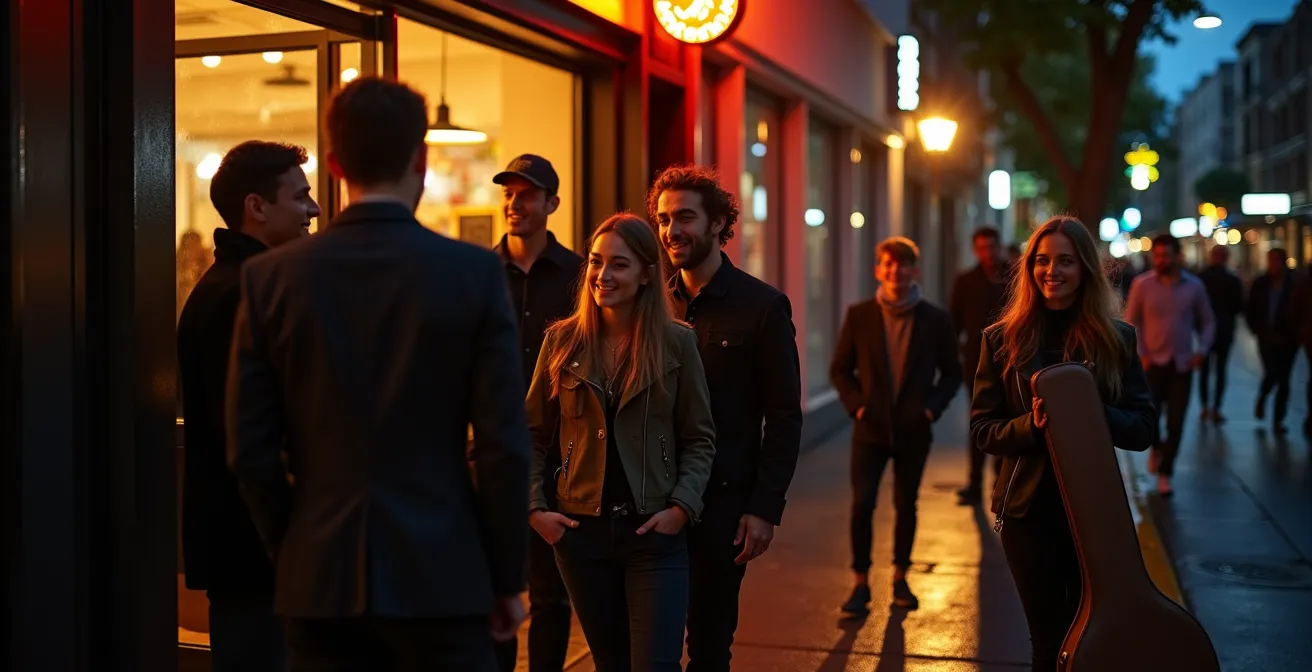
Unlike Sydney, where nightlife can be more centralized and regulated, Melbourne’s music scene is decentralized and deeply integrated into its neighborhoods. A gig isn’t an isolated event; it’s the anchor of an evening that includes pre-show drinks at a local pub and a late-night bite. This ecosystem supports a thriving community of musicians, sound engineers, and designers. Plunging into this world is the fastest way to connect with the city’s creative heart, discover your next favorite band, and find collaborators for your own projects.
Opal Card caps: how to travel anywhere on Sundays for a fixed low price?
While Melbourne’s transport excels in its dense, walkable core, Sydney’s system offers a different kind of creative advantage: scale. The city’s vast, sprawling geography can seem like a disadvantage, but with the Opal card’s Sunday travel cap, it transforms into an affordable, epic-scale creative campus. For a fixed low price, you can travel an unlimited distance on trains, buses, ferries, and light rail. For a creative, this turns Sunday from a day of rest into a day of strategic, low-cost exploration and inspiration.
As a creative on a budget, Sydney’s Sunday Opal cap is game-changing. I use it to explore from the Blue Mountains’ literary history to the Northern Beaches’ coastal art trails. It’s my ‘Creative R&D Day’ – location scouting for films, finding painting inspiration, or escaping the city to write. The cap turns Sydney’s sprawl from a disadvantage into an affordable adventure.
– Digital nomad, Go Ahead Tours
This is where Sydney’s “Broadcast & Display” operating system shines. The visual stimuli are grand and diverse. A photographer can start the day shooting industrial decay on Cockatoo Island and end it capturing the golden hour light at Watsons Bay, all on the same ticket. A writer can escape to the misty quiet of the Blue Mountains to work on a manuscript. A designer can conduct an architectural tour, moving from the Art Deco apartments of Potts Point to the brutalist icons at UTS and the contemporary forms of Barangaroo. The key is to have a plan.
- The Photographer’s Ferry Circuit: Start at Circular Quay, ferry to Cockatoo Island for industrial photography, then to Watsons Bay for coastal shots.
- The Writer’s Mountain Escape: Take a train to the Blue Mountains (Katoomba) for inspiration in cafes with mountain views and bushwalking breaks.
- The Designer’s Architecture Tour: Use buses to move through different eras—Art Deco in Potts Point, Brutalist in the UTS area, and Contemporary at Barangaroo.
- The Artist’s Beach Trail: Catch a train to Cronulla, then bus-hop along the beaches to Bondi, sketching the changing coastal landscapes.
- The Filmmaker’s Location Scout: Combine trains and buses to hit Newtown’s street art, Olympic Park’s modern architecture, and Parramatta’s heritage sites.
The Winter Feast: how to get a table without queuing for an hour?
In any major creative capital, certain culinary and cultural events become magnets for the entire scene. Whether it’s a “Winter Feast” in Melbourne or a similar high-demand festival in Sydney, these events are as much about networking and being seen as they are about the food or art itself. The challenge is always access. The long queues are a filter, separating the casual attendee from the dedicated insider. For a creative professional, learning to bypass this friction is a crucial skill.
The first rule is to operate outside of peak hours. Everyone wants a table at 8 PM on a Saturday. The strategic creative goes at 5 PM on a Tuesday or opts for a long lunch instead of dinner. This “off-peak” approach not only avoids the crowds but often provides better opportunities to speak with chefs, artists, and organizers. It’s about shifting your schedule to intersect with the event’s quiet moments, where real connections are made.
Secondly, leverage digital tools before you even arrive. Many events use social media or specific apps to announce last-minute table openings or less-crowded sessions. Following the event, its vendors, and its chefs on platforms like Instagram can provide real-time intelligence that the general public misses. Finally, attending with a small, decisive group is better than a large, indecisive one. A duo can often be squeezed into a bar spot or a shared table where a group of six cannot. Mastering access to these ephemeral experiences is about strategy, not luck, and is a hallmark of a well-integrated creative.
Key Takeaways
- Creative Identity: Melbourne’s style is understated, layered, and community-focused (‘Melbourne Black’), while Sydney’s is bold, bright, and geared for public display.
- Workflow & Environment: Melbourne supports deep, integrated work through its specialized coffee culture and dense indie scenes. Sydney offers grand, spectacular backdrops perfect for large-scale or visual projects.
- Navigational Intelligence: Thriving in either city requires learning its ‘hacks’—mastering Melbourne’s Free Tram Zone for core mobility or leveraging Sydney’s Opal Card cap for expansive exploration.
Hidden Art Galleries in Melbourne Laneways You Can Visit for Free
If Melbourne’s street art is its public face, its hidden laneway galleries are its private soul. These are not the large, white-walled institutions you find in a typical gallery precinct. Instead, they are often tiny, artist-run initiatives (ARIs) tucked away above shops, in basements, or down unassuming corridors. These spaces are the lifeblood of the city’s emerging art scene, providing a platform for experimental work that would never find a home in a more commercial setting. For the creative, they offer a direct, unmediated connection to the city’s artistic vanguard.
This model is fundamentally different from Sydney’s more concentrated gallery districts. As a comparative study notes, Melbourne’s ecosystem is built on a “hidden and integrated” approach. An estimated 95% of these spaces are independently run, blurring the lines between gallery, studio, and conceptual project. They function as incubators, nurturing artists at the intersection of art, design, and subculture. Visiting them is less a passive viewing experience and more an active process of discovery.
A walking tour of these spaces is a quintessential Melbourne creative pilgrimage. It requires a different kind of attention—looking up, peering down alleys, and pushing on unmarked doors. You might start with coffee at Centre Place, where cafes double as exhibition walls, before finding small spaces above Degraves Street and within the historic Block Arcade. The journey is the destination, reinforcing the core principle of Melbourne’s creative OS: the most rewarding experiences are reserved for those willing to look a little closer and step off the beaten path. This is the city at its most intimate and inspiring.
- Start at Centre Place: Grab a morning coffee and check the rotating exhibitions on cafe walls.
- Walk through Degraves Street: Spot the small gallery spaces located on the levels above the bustling cafes.
- Enter the Block Arcade: Discover free exhibitions often held within the stunning heritage shopping arcade.
- Discover Presgrave Place: A tiny laneway known for its density of art and artist studios that sometimes have open-door policies.
- Continue to Blender Lane: The home of Blender Studios, a hub for emerging artist showcases in converted spaces.
- End at Hosier Lane: While famous for street art, keep an eye out for small, often unmarked gallery doors.
Ultimately, the choice between Melbourne and Sydney is a deeply personal one. It requires an honest audit of your own creative needs and temperament. Do you thrive on the grand stage, drawing energy from spectacular visuals and a fast-paced, public-facing culture? Or do you do your best work in the quiet corners, finding inspiration in the layers, the details, and the close-knit communities? One city is not better than the other; they simply offer two profoundly different, equally valid systems for a creative life. To find your fit, you must first understand your own operating system.